

Is there anything, truly, better than the smell of homemade bread wafting from your oven? It’s a special kind of magic, one that promises comfort and pure joy.
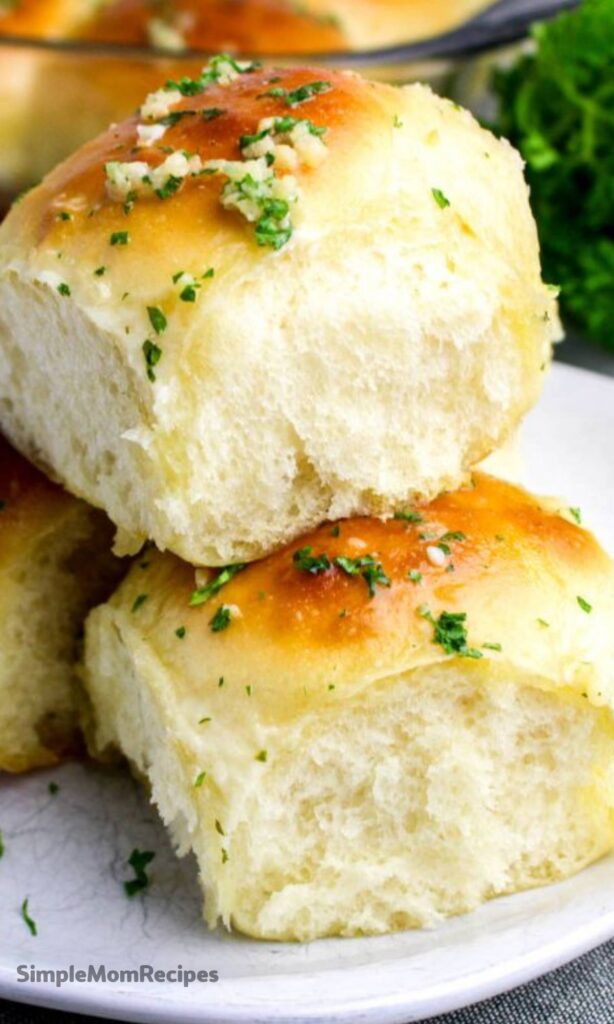
These garlic butter dinner rolls are that promise, fulfilled. They are soft, impossibly fluffy, and so buttery you might just forget about the main course.
Honestly, they’re a total game-changer for any table, from a simple weeknight dinner to the most festive holiday feast. Save this one, you’ll be glad you did.
Why Homemade Rolls Are Worth the Effort
Sure, you can buy a bag of rolls at the store. But the experience of breaking open a warm, homemade roll is entirely different, a small act of love that people genuinely notice.
That first tear reveals a feather-light, steaming interior, ready to soak up a pat of good butter or, in this case, a glorious garlic butter glaze. It’s a moment of pure, unadulterated carb-lover bliss.
Once you master this recipe, you’ll understand why some things are just worth making from scratch. The pride, the aroma, the taste—it’s a thousand times better than anything from a plastic bag.
Ingredients Needed for the Recipe
Gathering your ingredients beforehand makes the whole process so much smoother. It’s like a little mise en place, a chef’s trick for stress-free baking.
Here’s everything you’ll need to create this soft and fluffy masterpiece:
- Bread Flour: 480 grams (about 4 cups). This is key for a higher rise and a chewier texture.
- Whole Milk: 295 milliliters (1 ¼ cups), warmed.
- Active Dry Yeast: 2 ¼ teaspoons, the living engine of our dough.
- Granulated Sugar: 26 grams (2 Tablespoons), divided to feed the yeast and sweeten the dough.
- Eggs: 2, at room temperature, divided (one for the dough, one for the egg wash).
- Unsalted Butter: 56 grams (¼ cup), softened, plus 28 grams (2 Tablespoons) for the garlic topping.
- Kosher Salt: 1 ¼ teaspoons, for balancing the flavors.
- Fresh Garlic: 1 large clove, grated, for that potent, real garlic punch.
- Garlic Powder: 1 teaspoon, to deepen the garlicky flavor.
- Fresh Chives: 1 Tablespoon, chopped, for a mild, oniony freshness.
- Flaky Salt: For that final, irresistible sprinkle on top.
- Neutral Oil or Butter: For greasing the bowl and pan.
The Secret to a Perfect Dough: Choosing Your Flour
You might be wondering, can I just use all-purpose flour? Well, you can, but bread flour is the secret weapon here for that professional bakery-style texture.
Bread flour has a higher protein content, which means more gluten. More gluten means a stronger dough that can trap more air from the yeast, leading to those incredibly high, soft, and fluffy rolls we’re after.
In some places, it’s called “strong flour” or “baker’s flour.” Just look for that higher protein percentage on the bag—it makes all the difference.
How to make Garlic Butter Dinner Rolls?
The journey to roll perfection is a rewarding one. It’s not difficult, it just requires a little patience and a lot of love. Let’s begin.

Activate the Yeast
Start by warming your milk gently until it feels warm to the touch, about 110°F (43°C). Too hot, and you’ll kill the yeast; too cold, and it won’t wake up.
Pour the warmed milk into the bowl of your stand mixer. Sprinkle in the yeast and a teaspoon of the sugar, then give it a gentle stir. Now, walk away for five minutes.
When you return, you should see a foamy, frothy layer on top. This is your sign that the yeast is alive, happy, and ready to make your dough rise beautifully.
Combine the Dough Ingredients
To the foamy yeast mixture, add the remaining sugar, one egg, the softened butter, salt, and about one cup of the bread flour. Attach the dough hook and mix on low until everything is just combined and smooth.
It might look a bit sloppy at this point, but that’s perfectly fine. Just use a spatula to scrape down the sides of the bowl, ensuring everything is incorporated.
Now, add the rest of the flour and mix on low until a shaggy dough forms. It should start pulling away from the sides of the bowl, but it will still be a bit sticky and tacky.
Knead to Perfection
Increase the mixer speed to medium and let the dough hook do its work for 5 to 6 minutes. The dough will transform from shaggy to smooth, elastic, and supple.
To test if it’s ready, use the classic “poke test.” Lightly flour your finger and poke the dough. If the indentation springs back slowly, it’s perfectly kneaded.
If it springs back immediately, give it another minute or two. If it doesn’t spring back at all, it’s a bit over-kneaded, but don’t worry, it will still be delicious.
The First Rise
Remove the dough from the bowl, and lightly grease the bowl with a little oil or butter. Place the dough back in, turning it once to coat it lightly.
Cover the bowl with a clean kitchen linen or plastic wrap. Now, find a warm, draft-free spot for it to rest and rise.
Let it sit until it has doubled in size, which usually takes about 1 ½ to 2 hours. This is a great time to tidy up or simply enjoy a well-deserved cup of coffee.
Shape the Rolls
Once the dough is beautifully puffed up, it’s time to punch it down. Gently press your fist into the center to deflate it, then turn it out onto a lightly floured surface.
Using a bench scraper or a sharp knife, divide the dough into 15 or 16 equal pieces. Don’t stress about them being perfectly identical; a little character is a good thing.
To shape each roll, take a piece of dough and stretch the edges, tucking them underneath to create a smooth, taut top. Pinch the seam at the bottom to seal it.
Then, place the roll seam-side down, form your hand into a “C” shape, and gently cup and roll it on the counter to create a tight, round ball. Repeat with the remaining dough.
The Second Rise
Generously grease a 9×13 inch baking dish or a large cast-iron skillet. Arrange your shaped rolls inside, placing them close together so they become cozy neighbors as they rise and bake.
Cover the pan again with your linen or wrap, and let them rise for a second time. This proof should take about an hour, until the rolls are nice and puffy.
They should look like soft, fluffy clouds, just begging to be baked. You’re almost there!
Bake Until Golden
While the rolls are proofing, preheat your oven to 350°F (177°C) and position a rack in the upper-middle section. This placement helps the tops get that perfect golden color.
Whisk the remaining egg with a tablespoon of water to create an egg wash. When the rolls are ready, gently brush a thin, even layer of this wash over the tops.
Bake for 20 to 22 minutes. You’re looking for beautifully golden-brown tops while the centers remain wonderfully soft. If they brown too quickly, just tent the pan with foil.
The Grand Finale: Garlic Butter
While the rolls are baking, prepare the star of the show. Melt the remaining butter and whisk in the grated fresh garlic and garlic powder.
The moment the rolls come out of the oven, immediately brush them generously with this fragrant garlic butter. You’ll hear a satisfying sizzle as it soaks in.
Finish them with a sprinkle of fresh chives and a pinch of flaky salt. This not only adds flavor but also gives them a truly professional, finished look.
Creating a Cozy Proofing Box at Home
Is your kitchen a bit chilly? Don’t let a cold day sabotage your rise. You can easily create a warm, humid proofing box right in your own oven.
Turn your oven to its lowest setting for just 4-5 minutes, then turn it off. The goal is a gentle warmth, around 100°F (38°C), not a baking heat.
Place a heatproof pan on the bottom rack and pour in some boiling water. The steam from the water will create the perfect humid environment for the yeast to thrive.
Tips
For the most consistent results, I can’t recommend a kitchen scale enough. Measuring flour by weight is the best way to guarantee soft, fluffy rolls every single time.
If you don’t have a scale, fluff your flour with a whisk before spooning it lightly into your measuring cup. Level it off with a knife, but never pack it down.
Don’t be afraid of a slightly sticky dough. Adding too much extra flour is a common mistake that can lead to denser rolls. Trust the process, and the dough will come together during kneading.
To get evenly sized rolls, weigh your entire ball of dough. Then, simply divide that number by 15 or 16 to get the perfect weight for each individual roll.
Delicious Variations to Try
Once you’ve mastered the classic, feel free to get creative! The basic dough is a wonderful canvas for all sorts of flavor adventures.
For a cheesy twist, fold a half-cup of finely grated Parmesan cheese into the dough during the last minute of kneading. You could also sprinkle some on top with the garlic butter.
If you love herbs, try swapping the chives for fresh, finely chopped rosemary or thyme. The aromatic, woody notes are incredible with the roasted garlic flavor.
For a richer, more decadent roll, you can replace the whole milk with buttermilk. It will add a very subtle tang and make the crumb even more tender.
How to Store, Freeze, and Reheat for Later
If, by some miracle, you have leftovers, let the rolls cool completely. Then, store them in an airtight container at room temperature for up to 2 days.
To freeze them, place the cooled rolls on a baking sheet and “flash freeze” until solid. Then, transfer them to a freezer-safe bag for up to a month.
Reheating is simple. Thaw frozen rolls at room temperature, then warm them in a 350°F (177°C) oven for 5-10 minutes, or until heated through. They’ll taste nearly as good as fresh.
The Best Occasions to Serve These Rolls
These rolls are so versatile, they truly shine at any gathering. They are, of course, a non-negotiable star at Thanksgiving and Christmas dinners.
But don’t save them just for holidays! They elevate a simple weeknight pot roast or a bowl of soup into something truly special and celebratory.
They’re also a fantastic offering for a potluck or a casual dinner party. Bringing a pan of warm, homemade garlic rolls is a surefire way to become everyone’s favorite guest.
So, go ahead, preheat that oven and get ready to fill your kitchen with the most incredible aroma. You’re about to create something wonderful.
Garlic Butter Dinner Rolls Recipe
Description
Is there anything better than homemade bread? These garlic butter dinner rolls are totally life-changing. They are soft, fluffy, buttery, and everyone is obsessed with them. Save this recipe for holidays, dinner parties, and everything in-between.
ingredients
Dinner Rolls
Garlic Butter Topping
Instructions
Make the dough
- Warm milk to 110°F (43°C). Pour into stand mixer bowl. Add yeast and 1 tsp sugar. Stir and let sit 5 min until foamy.
- Add remaining sugar, 1 egg, softened butter, salt, and 1 cup (120g) flour. Mix on low with dough hook until smooth.
- Add remaining flour; mix until shaggy. Add extra flour 1 Tbsp at a time if too sticky — dough should be tacky but workable.
- Knead 5–6 minutes on medium until smooth. Poke test: dough should slowly spring back.
- Grease bowl. Place dough in, cover with linen or plastic wrap. Let rise 1.5–2 hours in warm place until doubled.
- Grease a 9×13-inch baking dish or large cast iron skillet.
Shape the rolls
- Punch down dough. Divide into 15–16 equal pieces (≈61g each if weighing).
- Shape each piece: stretch & tuck ends under, rotate, pinch seam, roll into smooth ball with C-shaped hand motion.
- Arrange seam-side down in prepared pan. Cover and let rise ~1 hour until puffy.
Bake the rolls
- Preheat oven to 350°F (177°C), rack in upper-middle position.
- Whisk remaining egg + 1 Tbsp water for egg wash. Brush rolls twice.
- Bake 20–22 min until golden brown. Tent with foil if over-browning.
Brush with garlic butter
- While baking, whisk melted butter, grated garlic, and garlic powder.
- Brush warm rolls immediately with garlic butter. Top with chives & flaky salt. Serve warm.
Nutrition Facts
Servings 16
- Amount Per Serving
- Calories 176kcal
- % Daily Value *
- Total Fat 5.5g9%
- Saturated Fat 3.2g16%
- Cholesterol 24mg8%
- Sodium 225mg10%
- Potassium 80mg3%
- Total Carbohydrate 26.8g9%
- Dietary Fiber 1g4%
- Sugars 2.8g
- Protein 4.5g9%
- Calcium 30 mg
- Iron 2 mg
* Percent Daily Values are based on a 2,000 calorie diet. Your daily value may be higher or lower depending on your calorie needs.
Note
- Make-ahead tip: Slow-rise dough in fridge up to 24 hours. Shape & bake the next day.
- Freezing: Freeze baked rolls up to 1 month. Thaw + reheat wrapped in foil at 350°F for 10 min.
- Variations: Add ¼ cup grated Parmesan to dough or topping; swap chives for rosemary.
- Pro tip: Use a kitchen scale for accuracy — crucial for soft, fluffy rolls every time.

