

Let’s be honest, the turkey wing is the unsung hero of the bird. It’s all dark meat, incredibly flavorful, and, when treated right, becomes a masterpiece of tenderness. This recipe? It’s a game-changer, a dinner-table revelation that might just steal the spotlight from the whole turkey itself.
Imagine this: a dish that fills your home with the kind of aroma that pulls everyone into the kitchen, asking, “Is it ready yet?” That’s the power of these baked turkey wings. They’re a hug on a plate, a reminder of big family gatherings and Sunday dinners that just felt right.
Why Turkey Wings Deserve Your Attention
You might be wondering why we’re focusing on the wings. Well, they’re a fantastic, often more affordable, cut that delivers maximum flavor with minimal fuss. They’re forgiving, they’re hearty, and they’re perfect for when you want that classic turkey taste without committing to roasting an entire bird.
They carry a richness that white meat simply can’t match. Each bite is juicy, deeply savory, and holds onto spices and herbs beautifully. Think of them as a blank canvas, just waiting for your personal touch to create something truly memorable.
And let’s not forget the crispy skin. When baked slowly and then uncovered for a final blast of heat, the skin transforms into a crackly, golden-brown delight that gives way to the most succulent meat underneath. It’s a textural dream come true.
Ingredients Needed for the Recipe
Gathering your ingredients is the first step to creating this comforting dish. You’ll be surprised at how simple the list is, relying on a powerful blend of spices and fresh aromatics to build incredible depth of flavor.
- 3 1/2 pounds Turkey wings (about 4 whole wings)
- 2 teaspoons Poultry seasoning
- 1 teaspoon Cajun seasoning
- 1 teaspoon Garlic powder
- 1 teaspoon Onion powder
- 1 teaspoon Salt (plus more to taste)
- 1/2 teaspoon Ground black pepper
- 2 large Onions, chopped
- 1 large Green bell pepper, thinly sliced
- 2 cloves Garlic, chopped
- 3 cups Chicken stock
- 2 tablespoons Worcestershire sauce
- 1 tablespoon Cornstarch
Understanding Your Turkey Wings
Before we start cooking, it helps to know what you’re working with. A whole turkey wing is a substantial piece, often much larger than a chicken wing, and it’s typically made up of a few distinct parts that you might find separated or together.
The drummette is the part that looks like a small drumstick, full of juicy, dark meat. The middle wing, or flat, is flatter and has a bone running through its center. Sometimes, you’ll find the wing tip attached, a pointy piece with little meat but tons of flavor potential for stocks.
For this recipe, you can use whole wings or have them separated at the joint. It’s really about what fits best in your pan and your personal preference for serving. Just be sure to pat them thoroughly dry; this is the secret to getting that spice rub to cling perfectly to the skin.
How to make Baked Turkey Wings?

Prepping Your Canvas
Start by giving your turkey wings a good rinse under cool water. This is just a quick refresh. Then, lay them out on a clean surface or in your large roasting pan and pat them relentlessly dry with paper towels. This step is non-negotiable for crispy skin.
Now, in a small bowl, whisk together your poultry seasoning, Cajun seasoning, garlic powder, onion powder, salt, and black pepper. Don’t be shy here—this blend is the soul of the dish. Get your hands in there and massage this fragrant rub all over every nook and cranny of the wings.
Once they’re thoroughly coated, let them sit. Pop them in the refrigerator, uncovered, for at least 60 minutes. This marination time allows the salt to penetrate and the spices to truly meld with the turkey, creating flavor that goes deep, not just sits on the surface.
Building the Foundation of Flavor
While the wings are marinating, you can prep your vegetables. Chop your onions, slice the green bell pepper into thin strips, and mince your garlic. The “holy trinity” of onions, bell peppers, and celery is a classic in many cuisines, and here, we’re using a version of it to build an aromatic base.
After the marination time is up, preheat your oven to a steady 350°F (175°C). This moderate temperature is key—it’s hot enough to cook the turkey safely and create a beautiful sauce, but gentle enough to break down the connective tissues slowly for that fall-off-the-bone texture we’re after.
Take your seasoned wings out of the fridge. In a separate bowl, combine the chopped onions, green pepper, garlic, chicken stock, and Worcestershire sauce. Carefully pour this liquid and vegetable mixture around the turkey wings in the roasting pan, trying not to wash off all that lovely seasoning.
The Slow and Steady Bake
Cover the entire roasting pan tightly with aluminum foil. This is what creates a steamy environment, essentially braising the wings in their own juices and the stock. This is the magic step that guarantees tenderness. Slide the pan into your preheated oven and let it work for about 2 hours.
Now, patience is your best friend here. The exact time can vary depending on the size and thickness of your wings. You’re looking for meat that is completely tender and easily pulls away from the bone. Don’t rush it; good things take time.
After a couple of hours, carefully remove the pan from the oven. The smell will be incredible. Take off the foil—be mindful of the steam!—and baste the wings with the glorious juices from the pan. Return the pan to the oven, uncovered, for another 15-20 minutes to let the skin brown and crisp up beautifully.
The Grand Finale: The Sauce
While the skin is crisping, let’s tackle the sauce. Using a ladle or a heatproof cup, remove about one cup of the liquid from the bottom of the roasting pan. Place it in a small bowl or measuring cup and let it cool for just a minute.
Add your tablespoon of cornstarch to this liquid and whisk it vigorously until it’s completely smooth and there are no lumps. This mixture is called a “slurry,” and it’s our ticket to a rich, glossy, restaurant-quality sauce that will coat the wings perfectly.
Pour this cornstarch mixture back into the pan with the remaining juices and give everything a gentle stir. Return the pan to the oven for one final 15-20 minute bake, or until the sauce has thickened noticeably and become silky. And just like that, you’re done.
Tips
For the most succulent meat, never skip the marinating step. Letting the rub sit on the wings for an hour, or even overnight, makes a world of difference in the depth of flavor. It’s the difference between seasoned and truly infused.
Always use a meat thermometer to be absolutely sure your turkey is done. Insert it into the thickest part of the meat, avoiding the bone. You’re looking for an internal temperature of 165°F (74°C). This is the surefire way to achieve perfect doneness and food safety.
Let your turkey wings rest for about 10 minutes after they come out of the oven. I know it’s tempting to dive right in, but this allows the frantic, hot juices to relax and redistribute back throughout the meat. The result? Every single bite is moist and delicious.
How to Store and Reheat for Later Enjoyment
If you’re lucky enough to have leftovers, they store wonderfully. Once completely cooled, place the wings and any extra sauce in an airtight container. They’ll keep in the refrigerator for 3 to 4 days, ready for a fantastic leftover meal that might even taste better the next day.
Reheating is an art if you want to preserve that tenderness. The oven is your best bet. Place the wings in an oven-safe dish, add a splash of chicken stock or water to keep things moist, cover with foil, and warm at 325°F (163°C) until heated through. This method gently revives them without drying them out.
You can also freeze these wings for a future feast. Wrap them tightly in foil and then place them in a heavy-duty freezer bag, squeezing out all the air. They’ll be good for up to 3 months. Thaw them slowly in the refrigerator overnight before reheating.
What to Serve With Your Turkey Wings
These rich, savory wings crave something to soak up that incredible sauce. Creamy mashed potatoes are the classic, can’t-go-wrong choice. They create the perfect vehicle for every last drop of that glossy, flavor-packed gravy you worked so hard to create.
For a truly spectacular Southern-inspired spread, pair them with buttery cornbread, slow-cooked collard greens, and a vibrant, tangy coleslaw to cut through the richness. It’s a combination that feels like a celebration, no matter the day of the week.
Don’t forget the mac and cheese. A baked, cheesy macaroni and cheese casserole is a soul-warming side that complements the turkey wings perfectly. Or, for a brighter note, a simple cranberry sauce can add a sweet and tart contrast that lifts the entire meal.
Creative Twists and Flavor Variations
Feeling adventurous? This recipe is a wonderful base for experimentation. If you love a bit of heat, add a teaspoon of smoked paprika or a few shakes of your favorite hot sauce to the seasoning rub. A touch of brown sugar can also be mixed in for a subtle sweet and savory balance.
For an herby, aromatic twist, stir a tablespoon of fresh, chopped herbs like rosemary, thyme, or sage into the seasoning blend. The fragrance it releases while baking is absolutely divine and makes the whole dish feel a bit more elegant and complex.
You can even play with the cooking liquid. Substitute a cup of the chicken stock with apple cider or a dry white wine for a different kind of acidity and sweetness in your sauce. The possibilities are endless, so don’t be afraid to make it your own.
So there you have it. A recipe that’s more than just a list of instructions—it’s an invitation to create a moment, a memory, a truly satisfying meal. These baked turkey wings are a testament to the fact that the most comforting food is often the simplest, made with care and a whole lot of flavor.
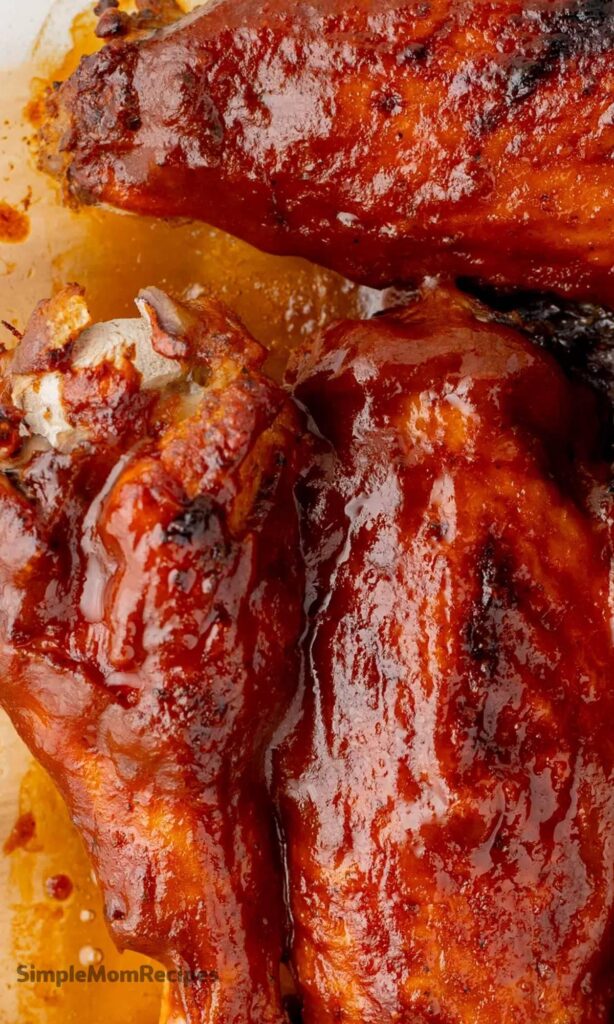
Baked Turkey Wings Recipe
Description
Tender, juicy, and infused with savory Cajun-spiced flavors, these Baked Turkey Wings are a soulful, high-protein comfort dish that’s perfect for family dinners or holiday gatherings. Slow-baked to fall-off-the-bone tenderness and finished with a glossy, rich pan sauce, this recipe delivers deep Southern flavor with minimal fuss. Serve with mashed potatoes or collard greens for a truly satisfying meal.
ingredients
Instructions
- Rinse turkey wings and pat dry with paper towels. Place in a large roasting pan.
- In a small bowl, mix poultry seasoning, Cajun seasoning, garlic powder, onion powder, salt, and black pepper. Rub evenly over turkey wings. Cover and refrigerate for at least 1 hour (or overnight for best results).
- Preheat oven to 350°F.
- In a large bowl, combine chopped onions, sliced green bell pepper, garlic, chicken stock, and Worcestershire sauce. Pour over the seasoned turkey wings in the roasting pan, distributing vegetables evenly.
- Cover tightly with aluminum foil and bake for 2 hours, or until wings are very tender and meat begins to pull away from the bone.
- Remove foil and bake uncovered for 15 minutes to lightly brown the skin.
- Carefully remove 1 cup of pan juices and whisk in cornstarch until smooth. Pour mixture back into the pan and stir gently to combine.
- Return to oven and bake an additional 15–20 minutes, or until sauce has thickened slightly. Let rest 10 minutes before serving.
Nutrition Facts
Servings 4
- Amount Per Serving
- Calories 520kcal
- % Daily Value *
- Total Fat 25gg39%
- Saturated Fat 7gg35%
- Trans Fat 0gg
- Cholesterol 185mgmg62%
- Sodium 1120mgmg47%
- Potassium 680mgmg20%
- Total Carbohydrate 12gg4%
- Dietary Fiber 2gg8%
- Sugars 4gg
- Protein 58gg116%
- Calcium 6 mg
- Iron 20 mg
* Percent Daily Values are based on a 2,000 calorie diet. Your daily value may be higher or lower depending on your calorie needs.
Note
- Make it gluten-free: Ensure your chicken stock and Worcestershire sauce are certified gluten-free.
- Want extra crispy skin? Broil on low for the last 5 minutes, watching closely to prevent burning.
- Slow cooker option: Cook on low 6–8 hours or high 3–4 hours, then finish in the oven to crisp.
- Freeze for later: Cool completely, then store wings with sauce in freezer-safe bags for up to 6 months.

