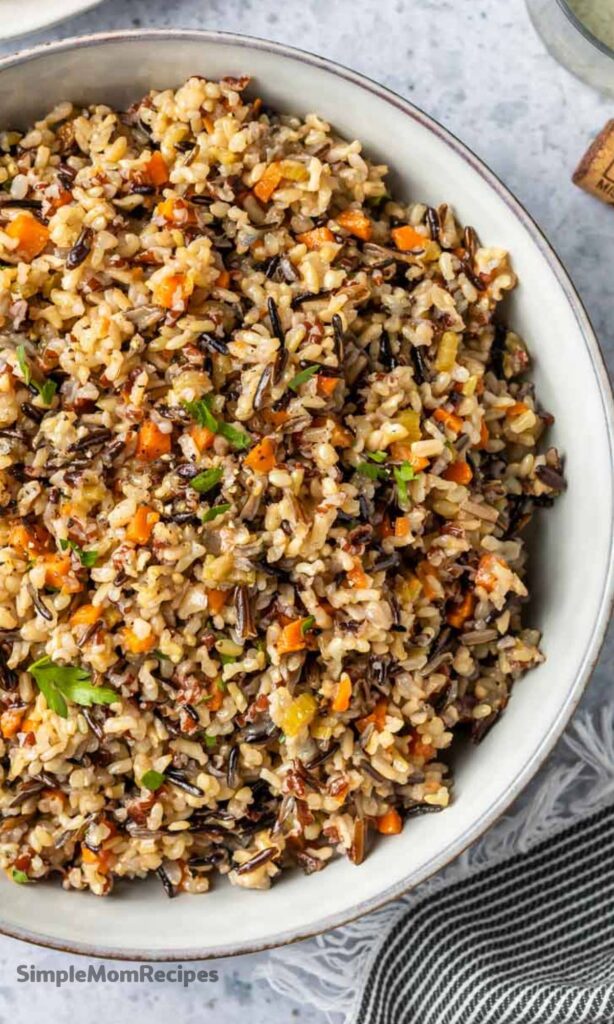
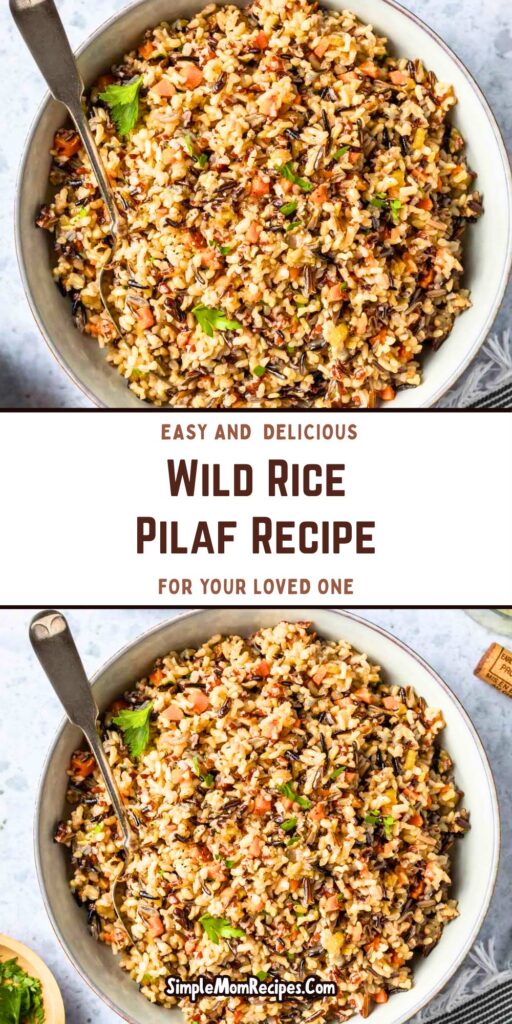
Let’s be honest, the side dish often gets a raw deal, pushed to the edge of the plate like a culinary afterthought. But what if it could be the star, or at the very least, a dazzling co-star? That’s the magic of a well-made wild rice pilaf. It’s not just a filler; it’s a textured, nutty, and deeply satisfying experience that can hold its own against any main course.
This particular recipe is a celebration of simplicity and texture. We’re not just cooking rice; we’re building layers of flavor, starting with a classic, aromatic base and ending with a dish that’s both hearty and elegant. It’s the kind of food that feels rustic and sophisticated all at once, perfect for a Tuesday night or a holiday table.
Imagine each forkful: the delightful chew of wild rice, the soft nuttiness of brown rice, and the sweet, savory foundation of slowly cooked vegetables. It’s a symphony in a skillet, really. And the best part? It’s incredibly forgiving and versatile, ready to adapt to whatever you have waiting in your fridge.
What Exactly Makes a Pilaf a Pilaf?
You might hear the word "pilaf" and think of something complicated, but the concept is beautifully simple. Unlike plain steamed rice, a pilaf is a cooking method where the rice is first toasted in a bit of fat before being simmered in a flavorful broth. This toasting step is the secret handshake, it’s what unlocks a deeper, richer flavor and helps keep the grains wonderfully separate and distinct.
It’s a technique found in cuisines all over the world, from the Middle East to Central Asia and beyond. Our version leans into an American comfort food vibe, using a familiar mirepoix—that timeless trio of onions, carrots, and celery—as its aromatic heart. The result is a dish that feels both exotic and like coming home.
So, you’re not just making rice. You’re practicing a classic culinary method, one that transforms humble ingredients into something truly special. It’s a simple step that makes a world of difference, turning a side dish into the main event.
Ingredients Needed for the Recipe
Gathering your ingredients is the first step on this delicious journey. You’ll notice we’re using a blend of rices, which creates a fantastic texture and makes the dish more accessible. Here’s your shopping list:
1 tablespoon olive oil
¾ cup chopped onion
¾ cup diced celery
¾ cup diced carrots
2 garlic cloves, minced
¾ cup uncooked long-grain brown rice (not the quick-cooking kind)
¾ cup uncooked wild rice blend (or wild rice - a blend is easier to find)
3 ½ cups chicken broth or vegetable broth
1 tablespoon fresh parsley, chopped
The Humble Power of a Wild Rice Blend
Now, let’s talk about the star of the show: the rice. You’ll see we call for a wild rice blend, and there’s a very good, practical reason for that. Pure, 100% wild rice can be quite expensive and sometimes tricky to track down in a regular grocery store. A wild rice blend, however, is a wallet-friendly and convenient alternative that still delivers that signature nutty flavor and wonderful chewy texture.
These blends are typically a mix of wild rice, brown rice, and perhaps a few other long-grain rices. The beauty is that a little wild rice goes a very long way in terms of flavor and texture impact. It’s a powerhouse ingredient that elevates the entire dish without needing to use a full, costly batch.
So, don’t feel like you’re compromising. You’re being smart! This blend gives you the best of all worlds—the unique character of wild rice with the familiar comfort of brown rice, all in one perfectly balanced package. It’s a small detail that makes this recipe a practical joy to make again and again.
How to make Wild Rice Pilaf?
Prepping the Aromatics
Heat 1 Tbsp olive oil in a large skillet over medium-high heat. Add chopped onion, celery, and carrots; cook 5–6 minutes, stirring occasionally, until softened and fragrant. This builds the base flavor for your pilaf.
Garlic and Rice
Stir in 2 minced garlic cloves and cook 30–60 seconds. Add uncooked brown rice and wild rice blend, stirring 1 minute to toast the grains. Toasting seals the rice and adds a nutty depth.
Simmering
Pour in the broth, scrape up any browned bits, and bring to a boil. Cover and reduce heat to the lowest simmer for 45 minutes. Let the rice absorb the liquid and cook tender.
Finishing Touches
Remove lid, fluff rice with a fork, and stir in chopped parsley for a fresh, bright finish. Optional additions include thyme, sage, mushrooms, dried cranberries, nuts, or cooked poultry to customize.
Tips & Pairings
Rice Toasting: Don’t skip it; it prevents gummy rice and deepens flavor.
Leftovers: Refrigerate up to 4 days; reheat with a splash of water or broth. Great in stuffed peppers or grain bowls.
Serving: Pairs with roasted meats, fish, or hearty vegetarian dishes.
Make It Your Own
This pilaf is a versatile base for endless variations. Add sautéed mushrooms for an earthy flavor, dried cranberries or raisins for sweetness, or toasted walnuts/pecans for crunch. Stir in diced, cooked chicken or turkey at the end to turn it into a complete, one-skillet meal.
Serving Suggestions
Wild rice pilaf pairs with roasted or grilled meats like chicken, steak, or pork, and hearty fish such as salmon or trout. For vegetarian meals, serve alongside lentil stew, portobello steaks, or frittatas. Its nutty, savory flavor complements almost any protein.
Storing & Using Leftovers
Cool completely and store in an airtight container in the fridge for up to 4 days. Reheat gently with a splash of water or broth on the stovetop or in the microwave. Leftovers also shine in stuffed peppers, grain bowls, or tossed cold in a salad.
This simple and easy Wild Rice Pilaf is a flavorful, hearty side dish that pairs beautifully with chicken, steak, or vegetarian mains. Made with a blend of nutty wild rice and long-grain brown rice, and sautéed with classic mirepoix (onion, celery, and carrots), it's aromatic, wholesome, and satisfying. A light garnish of fresh parsley adds brightness and freshness. Though it simmers for about 45 minutes, hands-on time is minimal—perfect for a cozy weeknight or holiday table. A 2/3 cup serving is just 159 calories and 4 WW Points.
ingredients
1tablespoon olive oil
¾cup chopped onion
¾cup diced celery
¾cup diced carrots
2 garlic cloves (minced)
¾cup uncooked long-grain brown rice (not quick-cooking)
¾cup uncooked wild rice blend (or pure wild rice)
3 ½cups chicken or vegetable broth (low sodium recommended)
1tablespoon fresh parsley (chopped, for garnish)
Instructions
1
Heat olive oil in a large, deep sauté pan or pot with a tight-fitting lid over medium-high heat.
2
Add the chopped onion, celery, and carrots. Stir and spread in an even layer. Sauté for 5–6 minutes, stirring occasionally, until the onion is translucent and vegetables are softened.
3
Stir in minced garlic and cook for 30–60 seconds until fragrant.
4
Add brown rice and wild rice blend. Stir well and toast for 1 minute.
5
Pour in broth and stir to combine. Bring to a boil, then reduce heat to low, cover with lid, and simmer gently for 45 minutes, or until all liquid is absorbed and rice is tender.
6
Remove from heat and let rest, covered, for 5 minutes. Fluff with a fork and sprinkle with chopped parsley before serving.
Nutrition Facts
Servings 8
Amount Per Serving
Calories159kcal
% Daily Value *
Total Fat3g5%
Sodium359mg15%
Potassium170mg5%
Total Carbohydrate30g10%
Dietary Fiber3g12%
Sugars2g
Protein4g8%
Calcium 20 mg
Iron 1 mg
* Percent Daily Values are based on a 2,000 calorie diet. Your daily value may be higher or lower depending on your calorie needs.
Note
Wild Rice Blend Tip: A mix is more affordable and easier to find than 100% wild rice—but still delivers that signature nutty flavor and chewy bite.
Add-Ins: Mushrooms, zucchini, broccoli, walnuts, or raisins all make great additions. Try sautéing mushrooms with the mirepoix or folding in toasted walnuts at the end.
Make-Ahead Friendly: This pilaf reheats well. Store in an airtight container in the fridge for up to 4 days or freeze for up to 2 months.
Broth Shortcut: Using low-sodium Better Than Bouillon paste with water works great in a pinch and controls sodium better than canned broth.
Keywords:
wild rice pilaf, rice side dish, healthy rice recipe, vegetarian side, easy pilaf, whole grain side
Kelsey Perez
Food & Lifestyle Blogger
I’m a London-based food writer, recipe developer, and home cook who has been passionate about cooking for over 15 years. What started as a way to recreate my mother’s traditional dishes turned into a lifelong love for experimenting with flavors, writing about food, and helping others feel more confident in the kitchen.