

I have a habit of overthinking drinks when people come over. I’ll scroll through complicated recipes, convince myself I need obscure ingredients, then end up stressed before anyone even knocks on the door. This cocktail completely changed that pattern for me.
The first time I made a St. Germain cocktail, I remember being suspicious of how simple it sounded. Four ingredients? No syrup to cook? No muddling? It felt like cheating. Then I took a sip and realized simple doesn’t mean boring. Not even close.
Now it’s the drink I make when I want something that feels celebratory but doesn’t require a full plan. It’s light, a little floral, a little citrusy, and the bubbles make it feel like you tried harder than you actually did.
Why This One Earned a Permanent Spot in My Rotation
I don’t keep many specialty bottles around because I hate buying something that gathers dust. But this one gets used constantly. The elderflower flavor is sweet without being sugary and has this soft, almost spring-like aroma that plays well with just about anything.
I also love that there’s zero prep. No making simple syrup ahead of time, no waiting for things to cool, no complicated measuring dance. I can throw this together in under a minute, which is ideal when guests are already standing in my kitchen watching me.
And if I’m being honest, this is the drink I make even when there are no guests. Sweatpants, messy bun, fancy glass. Balance.
Ingredients I Used for the Recipe
- 1 ½ ounces dry gin – This gives the drink structure and a clean botanical base. I like a lighter gin because it doesn’t overpower the floral notes. Vodka works if I want something smoother.
- 1 ounce St. Germain elderflower liqueur – This is the star. It adds gentle sweetness and that signature floral flavor so there’s no need for simple syrup.
- ¾ ounce freshly squeezed lemon juice – Fresh only. It brightens everything and keeps the drink from tasting too soft or sweet.
- 3 ounces brut champagne or prosecco – The bubbles make the cocktail feel festive and add a crisp finish. A dry sparkling wine works best.
- Lemon peel or twist – For garnish and a little extra citrus aroma.
- Ice – To properly chill the drink while shaking.
How to make St. Germain Cocktail?

Step 1 – Prep the Glass
I start by running a strip of lemon peel around the rim of the glass. It sounds small, but it makes a difference. The oils hit your nose before the first sip, and suddenly the drink feels more intentional.
Then I drop the peel right into the glass because I’m not about to waste flavor.
Step 2 – Build the Base in a Shaker
Into a cocktail shaker I add the gin, St. Germain, and fresh lemon juice. Nothing fancy here. No layering, no special order. Just pour and move on.
I fill the shaker with ice. A lot of ice. More than feels necessary. This isn’t just about mixing, it’s about getting the drink really cold.
Step 3 – Shake Until It’s Actually Cold
I used to under-shake cocktails because I thought ten seconds was enough. It wasn’t. Now I shake until the outside of the shaker feels icy in my hands, usually around 20 seconds.
This step wakes everything up and slightly softens the citrus so it blends instead of biting.
Step 4 – Strain and Add the Bubbles
I strain the mixture into the prepared glass, leaving the ice behind. Then I top it with the sparkling wine. Slowly. If I rush, it foams up like a science experiment.
The bubbles lift the floral notes and suddenly it smells like something you’d order at a nice bar.
Step 5 – Give It a Tiny Pause, Then Sip
I let it settle for a few seconds before drinking. This isn’t required, I just like how the flavors come together when the fizz relaxes a bit.
Then I taste, usually followed by that same reaction every time: why don’t I make this more often?
What It Actually Tastes Like
If you’ve never had elderflower liqueur, the flavor is subtle. It’s floral but not perfumey. Slightly sweet but not sticky. Think fresh and delicate rather than bold.
The lemon keeps everything sharp, while the gin adds a quiet backbone. And the sparkling wine ties it all together with dryness and fizz so the drink never feels heavy.
It’s one of those cocktails people take a sip of and immediately raise their eyebrows like they weren’t expecting that much flavor.
Tips I Learned the Hard Way
I’ve made this enough times to mess it up in every possible way. Here’s what actually matters.
I tried bottled juice once when I was feeling lazy. The drink fell flat. Fresh juice has brightness that you just can’t fake.
If the wine is too sweet, the cocktail loses balance. Look for something labeled brut. The dryness keeps the drink crisp instead of sugary.
Stirring doesn’t chill the same way. This cocktail needs that quick, icy shake to feel refreshing instead of room temperature and dull.
When I want something aromatic, I use gin. When I want it smoother and more neutral, I swap in vodka. There’s no wrong answer here.
This isn’t a make-ahead drink. Sparkling wine loses its life quickly. I mix it when people are ready to drink, not before.
This sounds like a bartender trick, but it takes two seconds and adds a lot. The citrus oil changes how the drink smells, which changes how it tastes.
When I Like to Serve This Cocktail
This has quietly become my go-to for celebrations because it feels special without demanding attention. Birthdays, casual dinners, random Fridays, it works for all of them.
It pairs well with light foods, especially anything salty or creamy. I’ve served it with cheese boards, roasted vegetables, and even simple pasta. Somehow it adapts.
But I also make it when there’s no occasion at all. That might be my favorite time. No pressure, no presentation, just a really good drink at the end of the day.
The Reason I Keep Coming Back to It
I think what I appreciate most is how low effort it is compared to how elegant it feels. Some cocktails demand precision and planning. This one just asks you to show up and pour.
It’s forgiving, flexible, and consistently good. Even when I eyeball measurements a little, it still works. That’s my kind of recipe.
So if you want a cocktail that feels celebratory without turning into a project, this is it. Shake, pour, add bubbles, done. And yes, it tastes just as good in pajamas as it does at a party.
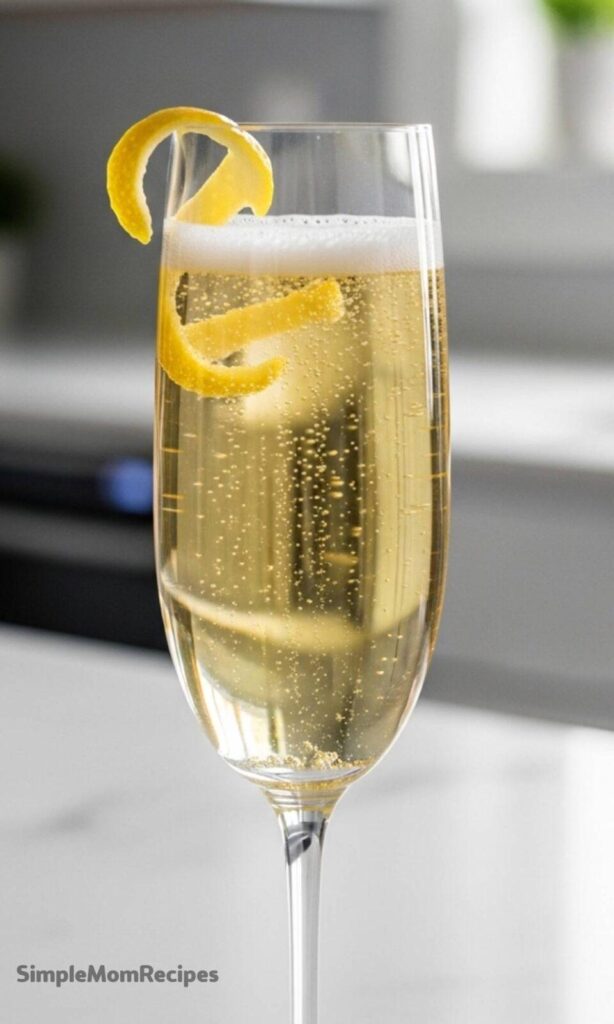
St. Germain Cocktail Recipe
Description
This St. Germain Cocktail is an effervescent, refreshing blend of gin (or vodka), elderflower liqueur, fresh lemon juice, and sparkling wine. With just four simple ingredients and less than a minute of prep, it's the perfect elegant drink for celebrations or a cozy night in. Light, floral, and beautifully balanced—this cocktail proves that sometimes less is more.
ingredients
Instructions
- Rub a lemon peel around the rim of a champagne flute, then drop it into the glass.
- Add gin (or vodka), St. Germain liqueur, and fresh lemon juice to a cocktail shaker.
- Fill the shaker with ice, cover tightly, and shake vigorously until the outside of the shaker is very cold, about 20 seconds.
- Strain the mixture into the prepared champagne glass.
- Top with brut champagne or prosecco and gently stir to combine.
- Garnish with a fresh lemon twist and serve immediately.Pro tip: Rub the inside of the lemon peel around the glass rim before pouring for an extra burst of citrus freshness.
Nutrition Facts
Servings 1
- Amount Per Serving
- Calories 145kcal
- % Daily Value *
- Total Fat 0gg0%
- Saturated Fat 0gg0%
- Trans Fat 0gg
- Cholesterol 0mgmg0%
- Sodium 9mgmg1%
- Potassium 35mgmg1%
- Total Carbohydrate 12gg4%
- Dietary Fiber 0gg0%
- Sugars 11gg
- Protein 0gg0%
- Calcium 1% mg
- Iron 0% mg
* Percent Daily Values are based on a 2,000 calorie diet. Your daily value may be higher or lower depending on your calorie needs.
Note
- Fresh lemon juice only: Never use bottled lemon juice in cocktails—it makes a noticeable difference in flavor and brightness.
- Keep it cold: Shake until the cocktail shaker feels very cold to the touch for the best-chilled drink.
- Sparkling wine tip: Look for bottles labeled "brut" for the driest, most balanced finish that complements the elderflower.
- Gin recommendation: Hendrick's gin pairs beautifully with St. Germain thanks to its subtle cucumber notes, but any quality dry gin works.
- Vodka variation: Prefer vodka? Use pear vodka for a seasonal twist that enhances the floral notes.
