I used to think sponge cake was one of those things that just magically worked for some people and completely failed for others. Like, you either had “the touch” or you didn’t. Mine? Very questionable for a while.
There was a stretch where every sponge I baked looked fine on top, then sank in the middle like it gave up halfway through life. I’d still eat it, obviously. But it bugged me.
Then I stopped overcomplicating it. That’s really where things turned around. This version is simple, a little forgiving, and honestly kind of comforting to make. Nothing fancy, just a soft, fluffy cake that actually behaves.
That Soft, Airy Texture Everyone Talks About
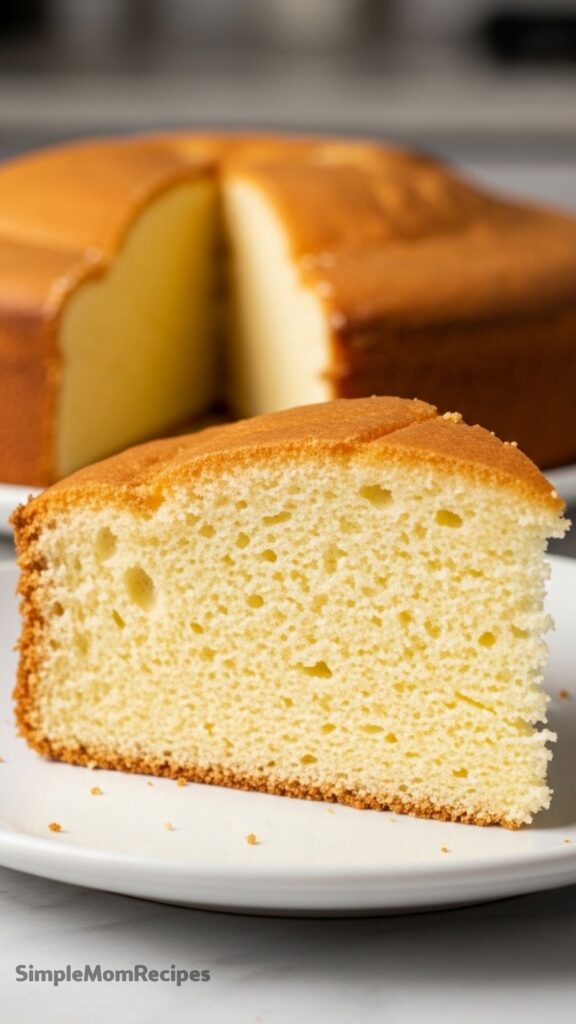
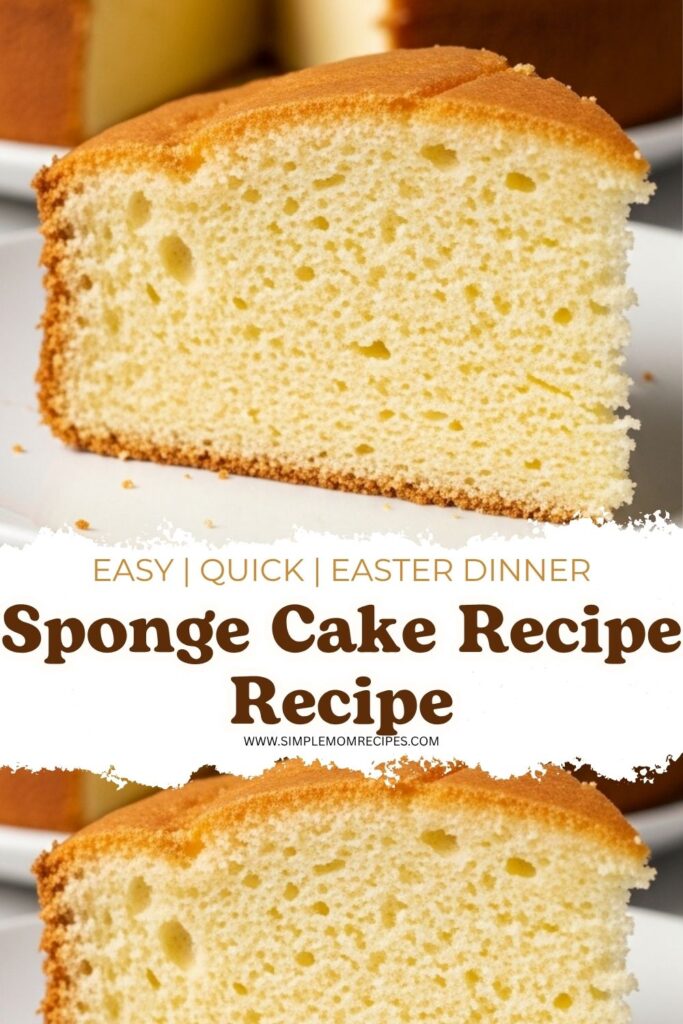
A good sponge cake feels light before you even take a bite. When I pick it up, it almost feels like it shouldn’t weigh anything. That’s when I know I didn’t mess it up.
The trick, at least from what I’ve learned the hard way, is in the eggs. If they’re whipped properly, the cake basically builds itself around that air. Skip that part or rush it, and the whole thing turns dense.
I used to rush. Now I don’t. Big difference.
Ingredients I Used for the Recipe
¾ cup all-purpose flour - gives the cake its structure without making it heavy
1 teaspoon baking powder - helps the cake rise and stay soft
⅛ teaspoon baking soda - just a little boost for extra lift
2 large eggs - the main thing that creates that fluffy sponge texture
½ cup sugar - sweetens and also helps the eggs whip up nicely
½ cup oil - keeps the cake moist longer than butter does
¼ cup milk - adds richness and smooths out the batter
I start by preheating the oven to 180°C. While that’s heating, I line my cake pan with parchment. I’ve skipped this before and regretted it immediately when the cake stuck.
Step 2 - Mix the dry ingredients
I sift the flour, baking powder, and baking soda together. It sounds like an extra step, but it actually makes the cake lighter. Plus, it breaks up any lumps.
Step 3 - Stir together the wet ingredients
In another bowl, I mix the oil, milk, and vanilla. Nothing fancy here, just whisk until it looks smooth and combined.
Step 4 - Whip the eggs and sugar
This is the part I don’t rush anymore. I beat the eggs until they get foamy, then slowly add sugar while mixing. After a few minutes, it turns pale and thick. That’s exactly what I’m looking for.
If I stop too early, the cake turns out flat. Learned that the annoying way.
Step 5 - Fold everything together
I add the dry mix into the whipped eggs and gently fold it in. Then I pour in the wet ingredients and fold again. I try not to stir aggressively. It’s more like slow, careful movements.
Step 6 - Bake
I pour the batter into the pan and bake it for about 30 minutes. Around the 25-minute mark, I start checking because ovens can be unpredictable.
A toothpick in the center should come out clean, and the top should bounce back lightly when pressed.
Step 7 - Cool and slice
I let it cool completely before cutting. Cutting too early makes it crumble, and I’ve definitely done that more than once because I got impatient.
My Slightly Messy Routine While Baking This
I don’t keep a spotless counter while making this. There’s usually flour on one side, a spoon I forgot to wash, and at least one moment where I pause and double-check if I added sugar.
But weirdly, this cake doesn’t punish that kind of chaos too much. As long as I respect the egg-whipping part and don’t overmix at the end, it still turns out good.
That’s probably why I keep coming back to it.
Tips
If there’s one thing I’d say matters most, it’s this. The eggs need time to get light and airy. That’s the base of the whole cake.
I used to stir like I was mixing pancake batter. Bad idea. Slow folding keeps all that air inside.
Once the batter is ready, I don’t let it sit around. It goes straight into the oven so it doesn’t lose that fluffiness.
Dry sponge cake is just sad. I keep an eye on it toward the end and pull it out as soon as it’s done.
I’ve tried both. Butter tastes great, but oil keeps the cake softer for longer. I usually stick with oil now.
Fixing a slightly dry cake
If I ever overbake it a little, I brush some simple syrup on top. It brings it back to life more than you’d expect.
This sponge cake has turned into one of those recipes I don’t really think about anymore. I just make it. Sometimes plain, sometimes layered with cream, sometimes eaten straight from the pan with a fork.
It’s simple, yeah. But it’s the kind of simple that actually works, and that’s what keeps it around in my kitchen.
Best Season:
all year round, Spring, Summer, autumn, Winter
Description
This easy Sponge Cake is the ultimate basic cake recipe everyone should master. Made with simple pantry staples like flour, eggs, and sugar, it's incredibly versatile. Perfect as a simple snack cake with tea or as a base for stunning layer cakes for birthdays and celebrations. This small-batch recipe is fool-proof and delivers a soft, fluffy crumb every time.
ingredients
Dry Ingredients
3/4cup all purpose flour (90 grams)
1teaspoon baking powder
1/8teaspoon baking soda
To Whip Together
2large eggs (room temperature)
1/2cup caster sugar (100 grams)
Wet Ingredients
1/2cup sunflower oil (or any neutral oil, 120 ml)
1/4cup milk (60 ml, full fat preferred)
2teaspoons vanilla extract (pure vanilla extract for best flavor)
Instructions
1
Preheat your oven to 180°C (350°F). Line a 7-inch square cake pan (or a round pan) with parchment paper and set aside.
2
Sift the all-purpose flour, baking powder, and baking soda together into a bowl. Set this dry mixture aside.
3
In a separate small bowl, combine the milk, oil, and vanilla extract. Whisk well until the mixture is emulsified. Set aside.
4
In a large bowl, beat the eggs with an electric mixer until frothy. Gradually add the caster sugar, a little at a time, and continue beating for 8-10 minutes until the mixture is light, pale, and fluffy.
This step is crucial for a fluffy sponge. The mixture should have a thick, ribbon-like consistency when the beaters are lifted.
5
Gently fold the sifted dry ingredients into the whipped egg mixture using a spatula. Be careful not to deflate the batter.
6
Pour the wet milk and oil mixture into the bowl and fold gently once more until the batter is just combined and smooth.
7
Pour the batter into the prepared cake pan and spread it evenly.
8
Bake for 25-30 minutes, or until a toothpick inserted into the center comes out clean and the top springs back when lightly touched.
9
Remove from the oven and let the cake cool in the pan for 10 minutes before turning it out onto a wire rack to cool completely. Slice and serve.
Nutrition Facts
Servings 6
Amount Per Serving
Calories285kcal
% Daily Value *
Total Fat17gg27%
Saturated Fat2.5gg13%
Trans Fat0gg
Cholesterol62mgmg21%
Sodium145mgmg7%
Potassium65mgmg2%
Total Carbohydrate29gg10%
Dietary Fiber0.5gg2%
Sugars17gg
Protein4.5gg9%
Calcium 6% mg
Iron 6% mg
* Percent Daily Values are based on a 2,000 calorie diet. Your daily value may be higher or lower depending on your calorie needs.
Note
For a Chocolate Version: Replace 2 tablespoons of flour with 2 tablespoons of unsweetened cocoa powder.
Key to Fluffiness: Whipping the eggs and sugar until they are pale and fluffy is the most important step. Don't rush it.
Gentle Folding: When adding the dry ingredients, fold gently with a spatula to keep the air in the batter. Over-mixing will make the cake dense.
Storage: Store in an airtight container at room temperature for up to 3 days or in the refrigerator for up to a week.
For Layer Cakes: This recipe can be doubled to make a three-layer 8-inch cake.
I’m a London-based food writer, recipe developer, and home cook who has been passionate about cooking for over 15 years. What started as a way to recreate my mother’s traditional dishes turned into a lifelong love for experimenting with flavors, writing about food, and helping others feel more confident in the kitchen.