

There is a specific kind of magic that happens on a late Sunday afternoon in early June. The light goes soft and golden, the last of the day’s heat lingers on your shoulders, and you realize you haven’t moved from that chair in two hours. That is precisely when this pitcher of Rosé Sangria belongs in your hand.
I have spent years testing sangria. Red, white, sparkling, even a batch that accidentally froze solid overnight and turned into granita—which honestly, was a happy accident. But this version, the rosé one? It is the one I keep coming back to. It feels less like a cocktail and more like a basket of fruit that happens to have wine in it. Light, yes. Fresh, absolutely. But also quietly complex in a way that surprises people.
Most sangria starts with red wine and brandy. I took that framework and tilted it sideways. Instead of heavy stone fruits and cinnamon, I wanted something that tasted like pink petals and summer berries. Something that would make you close your eyes on the first sip without meaning to.
So here we are. A pitcher of pale pink wine, floating with raspberries and citrus, touched with limoncello instead of the usual spirits. It is casual enough for a Tuesday night porch sit, fancy enough to pretend you planned a party.
Why This One Is Different
I will be honest with you—I have made sangria that tastes fine but disappears from memory the second the glass is empty. That is not this recipe.
The limoncello is the quiet star here. Where brandy or Grand Marnier bring weight and warmth, limoncello lifts everything upward. It adds this sunny, almost ethereal brightness that plays off the dry rosé instead of competing with it. The wine stays crisp. The fruit stays front and center.
And the berries. Raspberries in sangria are not common, and I am not sure why. They soften beautifully, releasing just enough juice without turning the wine cloudy. Strawberries do what they always do—soak up the rosé and become little wine-soaked jewels you will absolutely be fishing out of the pitcher with a spoon when no one is watching.
I do not judge. I do it too.
Ingredients Needed for the Recipe
- Dry rosé wine – One 750ml bottle. Dry is key here because the limoncello and fruit bring enough sweetness. Pick something you would happily drink on its own, but it does not need to be expensive. A pale Provençal style or a Spanish rosado both work beautifully.
- Limoncello – One full cup. This replaces the traditional brandy. It adds lemon intensity without sourness, and the sweetness level is perfectly balanced against the dry wine. I like a good quality limoncello, but even the standard bottle from the liquor store works.
- Fresh raspberries – One cup, whole. Do not slice them. They will gently soften and release color naturally. Frozen will turn mushy here, so fresh only.
- Fresh strawberries – One cup, hulled and quartered. Larger pieces hold up better over time. Tiny slices disintegrate.
- Lemon – One whole lemon, thinly sliced, seeds removed. The slices should be thin enough to see light through.
- Orange – Half a navel orange, sliced, then quarter those slices. You want pieces that are easy to serve and eat.
That is it. Six ingredients, and one of them is the wine. This is not a shopping list that requires a second trip to three different stores. You likely have the citrus already. The hardest part is deciding which rosé to grab.
How to Make Rosé Sangria?
Step 1 – Prep the Fruit Intentionally
Rinse the raspberries gently—they are fragile and impatient. Spread them on a paper towel to dry while you handle the rest. Hull the strawberries, quarter them, and set them in the bottom of your largest pitcher. Not a slim one, not a vessel with a narrow spout. A wide-mouthed pitcher that will not trap fruit or clog when you pour.
Slice the lemon thin. I mean really thin. A thick lemon slice releases bitter pith over time. Thin slices perfume the wine instead. Quarter the orange slices so they are not awkwardly large. Everything should feel proportional, like it belongs in the glass together.
Step 2 – Layer the Ingredients
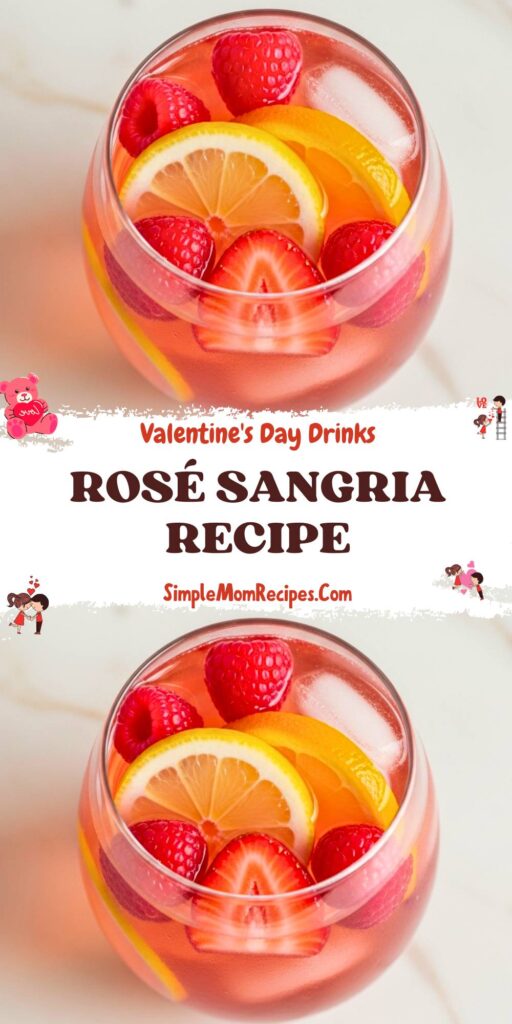
Add the whole raspberries on top of the strawberries. They will settle into the gaps. Lay the citrus slices over the berries, tucking some down the sides of the pitcher so they are visible from the outside. Sangria is visual. The fruit floating in pale pink wine is half the experience.
Pour the limoncello over the fruit slowly. Let it run down the sides of the pitcher, washing over the citrus and settling at the bottom. This is not a step that requires precision. Just pour.
Step 3 – Add the Wine
Open the rosé, tilt the pitcher slightly, and pour it in a steady stream. Do not dump it all at once—you will disturb the fruit arrangement. Gentle is the word here. The wine should settle around the fruit, not bulldoze it.
Give everything a slow, deliberate stir. Three or four rotations. The fruit will shift and resettle. That is fine. You are not plating a magazine cover. You are making something to drink.
Step 4 – Rest and Chill
Cover the pitcher and place it in the refrigerator. Here is where patience is required. One hour is the minimum. Two is better. Three is lovely. Four is the limit.
Citrus continues to infuse the longer it sits. By hour five, the lemon starts to turn sharp and the wine loses its delicate balance. Sangria is a steep, not a marinade. Respect the window.
Step 5 – Serve with Intention
Fill glasses with ice. Not just a few cubes—fill them. The wine should hit cold glass and stay cold. Ladle or pour the sangria over the ice, making sure each glass gets a generous scoop of the macerated fruit.
A small fork or a long cocktail spoon on the side is not excessive. People want those berries. Give them the tools.
Tips
- Chill the wine beforehand. If the rosé goes in warm, the ice will melt too fast and dilute everything before the flavors have a chance to shine.
- Do not let citrus sit longer than four hours. The oils in the peel turn from bright to bitter. If you need to prep further ahead, add the citrus slices just before serving.
- Use a pitcher without a spout. Sounds counterintuitive, but spouts trap raspberry seeds and lemon slices. A traditional open pitcher lets you pour freely or use a ladle.
- Taste before serving. If the wine was very dry and you prefer a sweeter cocktail, stir in half an ounce of simple syrup. Do this after chilling, when the cold mutes sweetness and you can judge accurately.
- Eat the fruit at the end. It is not garnish. It is dessert. The strawberries soaked in rosé and limoncello are genuinely better than most actual desserts.
Ways to Make It Your Own
I developed this recipe with limoncello because I wanted something unexpected. But sangria is meant to be adjusted, personalized, handed over to a friend with instructions to make it their own.
If you love the warmth of traditional sangria, swap the limoncello for half a cup of Grand Marnier. The orange liqueur brings a rounder, richer note that plays beautifully with the berries. You lose the bright lemon edge, but you gain something cozy and familiar.
For effervescence, top each glass with a splash of club soda just before serving. The bubbles lift the rosé and make it even more refreshing on sweltering afternoons. Alternatively, replace the still rosé entirely with a sparkling version. Skip the club soda then—the bubbles are already there.
I have also made this with peach slices in July, when they are dripping sweet and barely hold together. They soften into the wine and create this almost nectarous quality. If you try this, reduce the limoncello by a quarter cup. Peaches are generous with their sugar.
Rosé Sangria Recipe
Description
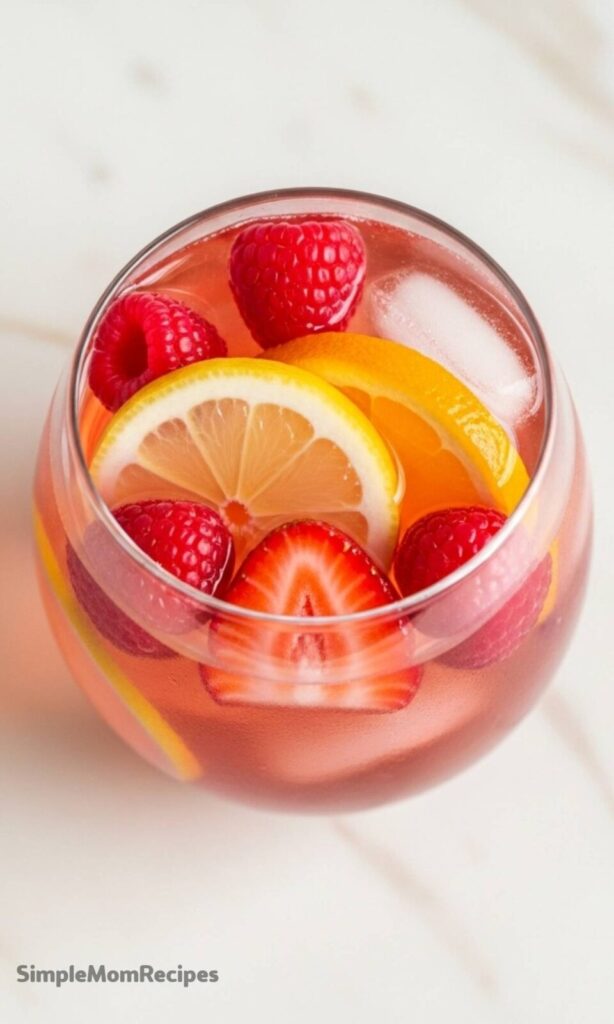
This Rosé Sangria is a refreshing blend of citrus, fresh berries, and rosé wine—making it the perfect cocktail recipe for spring and summer entertaining. Light, fruity, and effortlessly elegant, it’s ideal for sipping on warm afternoons or serving at gatherings.
ingredients
Instructions
- In a large pitcher, combine the raspberries, strawberries, sliced lemon, and orange.
- Pour in the limoncello, then add the rosé wine.
- Stir gently to mix all ingredients.
- Chill in the refrigerator for at least 1 hour, but no longer than 4 hours to avoid bitterness from citrus.
- Serve over ice in glasses, garnished with extra fruit if desired.
Nutrition Facts
Servings 6
- Amount Per Serving
- Calories 180kcal
- % Daily Value *
- Sodium 5mg1%
- Potassium 90mg3%
- Total Carbohydrate 14g5%
- Dietary Fiber 1g4%
- Sugars 10g
- Calcium 15 mg
- Iron 0.3 mg
* Percent Daily Values are based on a 2,000 calorie diet. Your daily value may be higher or lower depending on your calorie needs.
Note
- Don’t over-chill: Citrus can become bitter if soaked too long—stick to 1–4 hours max.
- Add bubbles: For a fizzy twist, top each glass with club soda or use sparkling rosé instead of still.
- Make it non-alcoholic: Substitute rosé with non-alcoholic rosé or white grape juice, and replace limoncello with lemon syrup.
- Serve style: Use a wide pitcher without a spout so fruit flows into glasses naturally.
