I didn’t plan to bake anything that day. I just had a pile of lemons sitting on the counter, slightly wrinkled, kind of begging to be used. One of them rolled off and hit the floor, and that was it. I took it as a sign. Something lemony had to happen.
I wasn’t in the mood for anything complicated, just something soft, buttery, and comforting. Pound cake felt right. But not the plain kind. I wanted bold lemon flavor, the kind that actually hits you and doesn’t fade after one bite.
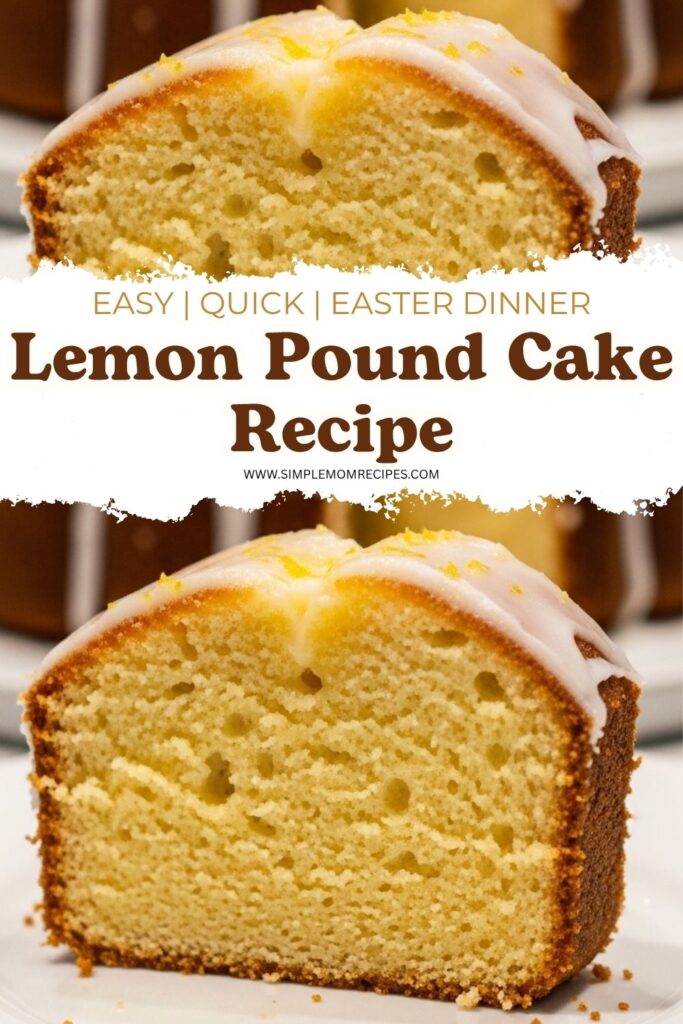
This cake ended up being exactly that. Soft, rich, soaked with lemon syrup, and finished with a tangy glaze that slightly cracks when you slice into it. I kept cutting “just one more slice” until half the loaf was gone. No regrets.
Ingredients I Used for the Recipe
3 cups all-purpose flour - gives the cake structure, keeps it from collapsing
½ teaspoon baking soda - helps the cake rise and stay light
½ teaspoon salt - balances sweetness and sharpens the lemon flavor
1 cup buttermilk - adds moisture and a slight tang that works so well with lemon
2 tablespoons lemon zest - this is where the real lemon aroma comes from
2 tablespoons fresh lemon juice - brings that bright, fresh acidity
1 cup unsalted butter (softened) - makes the cake rich and gives it that classic dense texture
2¼ cups granulated sugar - sweetens and keeps the crumb soft
3 large eggs - hold everything together and add richness
2 tablespoons water (for syrup) - helps dissolve the sugar
2 teaspoons lemon juice (for syrup) - adds extra lemon punch after baking
1 cup confectioners’ sugar - for the glaze on top
2 tablespoons lemon juice (for glaze) - makes the glaze tangy and pourable
That one mistake I keep making with lemons
I used to zest lemons after cutting them. Every single time, I’d struggle, scraping awkwardly, getting uneven bits, sometimes even hitting the bitter white part. It never felt right.
Now I always zest first. Whole lemon, firm grip, quick strokes. It’s faster, cleaner, and honestly kind of satisfying. Small thing, but it changed how my cakes turn out. The flavor feels brighter, less harsh.
Also, I don’t skimp on zest anymore. If it says two tablespoons, I actually measure it. That’s where the magic lives.
How to make Lemon Pound Cake?
Step 1 - Prep everything before starting
I preheat the oven to 350°F and get my loaf pans ready. A light spray and some parchment paper make life easier later. I’ve skipped parchment before and regretted it instantly.
Step 2 - Mix the dry ingredients
In a bowl, I whisk together flour, baking soda, and salt. Nothing fancy here, just making sure it’s evenly combined so there are no weird pockets later.
Step 3 - Combine the lemon and buttermilk
In another bowl, I mix the buttermilk with lemon zest and juice. It smells incredible already. I usually pause here for a second because it already feels like dessert is halfway done.
Step 4 - Cream butter and sugar
This part matters more than I thought it would. I beat the butter and sugar until it turns pale and fluffy. Not rushed. If I stop too early, the cake feels heavier.
Step 5 - Add the eggs slowly
I add eggs one at a time, mixing well after each. I used to dump them all in at once, and yeah, the batter looked weird and slightly split. Taking it slow keeps everything smooth.
Step 6 - Bring it all together
I alternate adding the flour mix and the buttermilk mix. A little of this, a little of that. It keeps the batter from getting overworked. I stop mixing as soon as it looks combined.
Step 7 - Fill the pans
The batter is thick, almost stubborn. I spread it evenly into the pans and smooth the top. It doesn’t need to be perfect. It settles as it bakes.
Step 8 - Bake until golden
Into the oven for about an hour. I start checking around 55 minutes. When a toothpick comes out clean, it’s ready. The top gets this deep golden color that always looks a little too good.
Step 9 - Cool it down properly
I let the cakes sit in the pan for about 10 minutes, then lift them out using the parchment. I’ve rushed this before and ended up with cracks and broken edges. Not worth it.
Step 10 - Make the lemon syrup
I heat water and sugar until dissolved, then stir in lemon juice. Adding the juice after heating keeps the flavor fresh instead of dull.
Step 11 - Soak the cake
Once the cake is fully cooled, I brush the syrup all over. Top, sides, everywhere. It soaks in slowly and makes the cake ridiculously moist.
Step 12 - Finish with glaze
I mix powdered sugar and lemon juice until it’s thick but pourable. Then I spoon it over the top and let it drip naturally. I don’t overthink the pattern. The uneven look feels right.
Why I always make two loaves now
This recipe makes two, and at first I thought it was too much. It’s not. One disappears fast. The other one quietly becomes your backup plan.
I’ve frozen the second loaf a few times, and it holds up really well. I skip the glaze before freezing though. I add that fresh later. It just tastes better that way.
There’s something comforting about knowing there’s a lemon cake sitting in the freezer. Like a little safety net for bad days or unexpected guests.
Tips
If the butter and sugar aren’t properly creamed, the texture won’t be right. I’ve learned this the hard way. It should look light and fluffy, not dense.
Bottled juice just doesn’t hit the same. Fresh lemons give that sharp, clean flavor that makes the cake stand out.
I used to pour syrup too early, thinking it would soak better. It actually made the cake a bit soggy. Cooling first gives better texture.
Sometimes I want a thick, almost icing-like layer. Other times I keep it thin and drippy. Both work. Just tweak the sugar and juice.
I keep it covered at room temperature for a couple days. It stays soft longer than expected. Honestly, it tastes even better the next day.
Slice with patience
Warm cake plus glaze equals messy slices. I wait until everything is set. Cleaner cuts, better presentation, less frustration.
This cake isn’t complicated, but it does ask for a little attention. And it gives a lot back. Bright flavor, soft crumb, that perfect balance of sweet and tangy. It’s the kind of thing I keep coming back to without really thinking about it.
And yeah, I still buy too many lemons sometimes. But now I know exactly what to do with them.
This lemon pound cake is a lemon lover’s dream: soft, buttery, and soaked in citrusy syrup with a bright, tangy glaze on top. Perfect for any occasion, it delivers bright, fresh flavor in every bite.
n
ingredients
For the Cake
3cups all-purpose flour (spooned and leveled)
0.5tsp baking soda
0.5tsp salt
1cup buttermilk (low-fat is fine)
2tbsp lemon zest (packed, from about 2-3 lemons)
2tbsp fresh lemon juice
1cup unsalted butter (2 sticks, softened)
2.25cups granulated sugar
3 large eggs
For the Syrup
2tbsp water
2tbsp granulated sugar
2tsp fresh lemon juice
For the Glaze
1cup confectioners' sugar
2tbsp fresh lemon juice
Instructions
1
Preheat the oven to 175°C (350°F). Spray two 8½ x 4½-inch loaf pans with nonstick spray. Line the long sides with parchment paper slings and spray again.
2
In a medium bowl, whisk together the flour, baking soda, and salt. Set aside.
3
In another bowl, whisk together the buttermilk, lemon zest, and lemon juice. Set aside.
4
In a stand mixer with the paddle attachment, cream the butter and sugar on medium speed until light and fluffy, about 3-4 minutes.
5
Scrape down the sides, then beat in the eggs one at a time, beating well after each addition.
6
With the mixer on low, add the flour mixture and buttermilk mixture alternately, beginning and ending with the flour. Mix until just combined.
7
Divide the batter between the prepared pans and smooth the tops. Bake for 55-65 minutes, until a tester comes out clean.
8
Cool the cakes in the pans on a rack for 10 minutes. Use the parchment slings to lift them out and cool completely on a rack for about 1 hour.
9
For the syrup, combine water and sugar in a saucepan and bring to a boil. Remove from heat and stir in the lemon juice.
10
Brush the warm syrup all over the cooled cakes, including the sides, allowing it to soak in.
11
For the glaze, whisk together confectioners' sugar and lemon juice until smooth. Adjust consistency if needed.
12
Spoon the glaze over the cakes, letting it drip down the sides. Allow to set for about 1 hour before serving.
Nutrition Facts
Servings 16
Amount Per Serving
Calories320kcal
% Daily Value *
Total Fat12g19%
Saturated Fat7g35%
Cholesterol65mg22%
Sodium150mg7%
Potassium60mg2%
Total Carbohydrate51g17%
Dietary Fiber1g4%
Sugars35g
Protein4g8%
Calcium 4 mg
Iron 6 mg
* Percent Daily Values are based on a 2,000 calorie diet. Your daily value may be higher or lower depending on your calorie needs.
Note
Make-Ahead: Cakes can be made 1 day ahead and stored at room temperature.
Freezing: Freeze unglazed cakes for up to 3 months. Thaw overnight and add glaze before serving.
Lemon Tip: Zest lemons before juicing. Use a rasp grater and avoid the bitter white pith.
Buttermilk: If you don't have buttermilk, add 1 tablespoon of lemon juice to 1 cup of milk and let sit for 5 minutes.
I’m a London-based food writer, recipe developer, and home cook who has been passionate about cooking for over 15 years. What started as a way to recreate my mother’s traditional dishes turned into a lifelong love for experimenting with flavors, writing about food, and helping others feel more confident in the kitchen.