

A quick garlic-rosemary marinade, a hot pan, and one small timing trick turn lamb shoulder chops into something deeply tender with a crisp, savory crust.
I keep touching the pan like it owes me something. Not smart, I know. It’s hot, the oil is already shimmering, and I’m hovering there with a pair of tongs like I’m about to make a life decision. The lamb’s been sitting out for a bit, not cold anymore, just… ready. That part matters more than I used to think.
I used to rush this. Straight from fridge to pan. Tough. Chewy. A little disappointing. Not terrible, just not worth repeating. Now I pause. Let the meat breathe. It sounds dramatic but it fixes a lot.
This whole thing came together after reading through something that stuck in my head – a simple method, garlic, rosemary, olive oil, hot skillet. The kind of straightforward cooking you’d see in something like Cucina by Elena’s Italian meat dishes section. Nothing fussy. Just doing the basics right.
A small thing that almost ruined dinner
I almost skipped the marinade. I was hungry, slightly impatient, and convinced myself it wouldn’t matter that much. I even had the pan heating already.
Then I smelled the chopped rosemary sitting on the board. Sharp, piney, kind of loud. It felt wrong to not use it properly. So I tossed everything into a bowl. Garlic, herbs, oil, salt, pepper. Rubbed it all over the chops like I actually cared.
That extra 30 minutes changed everything. Not in a fancy way. Just… deeper flavor. Less “plain meat,” more something you actually want to keep eating.
Ingredients I Used for the Recipe
- Lamb shoulder chops – 4 pieces, slightly fatty for flavor and tenderness
- Garlic – 3 cloves, smashed, for that strong savory base
- Fresh rosemary – 2 tablespoons, chopped, adds that earthy punch
- Fresh thyme – 1 tablespoon, softens the rosemary a bit
- Olive oil – 1/4 cup, helps carry flavor and keeps things juicy
- Salt – about 1 teaspoon, pulls everything together
- Black pepper – 1/2 teaspoon, just enough bite
How to make Lamb Shoulder Chop Recipe (Tender Every Time)?
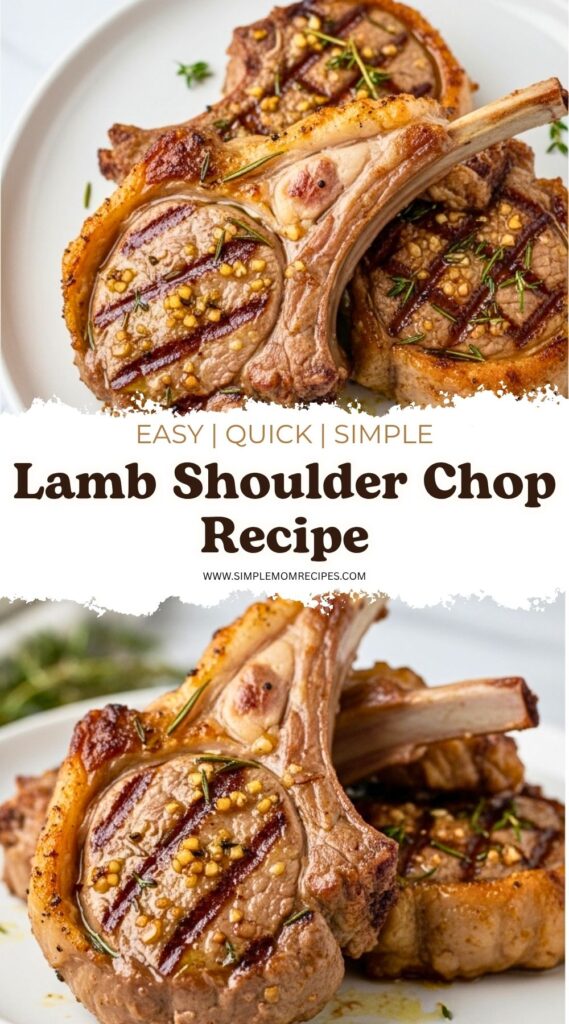
Step 1 – Mix the marinade without overthinking it
I throw the garlic, rosemary, thyme, olive oil, salt, and pepper into a bowl. No measuring spoons sometimes. Just eyeballing. Stir it with whatever is nearby. It smells strong right away, which is exactly what you want.
Step 2 – Rub the chops like you mean it
I press the marinade into the meat. Not gently. You want it in all the little edges and folds. I missed a spot once and could taste the difference. Let it sit at least 30 minutes. Longer is better but honestly, I rarely wait more than an hour.
Step 3 – Let the meat sit out before cooking
This is the part I used to skip. I pull the chops out of the fridge and leave them on the counter for 15-20 minutes. They cook more evenly this way. Cold centers are the enemy here.
Step 4 – Heat the pan until you’re slightly nervous
I use a cast iron skillet. It needs to be hot. Not warm. Not “getting there.” Properly hot. I add a splash of olive oil and wait until it moves fast across the surface.
Step 5 – Sear and don’t touch too soon
Chops go in. Immediate sizzle. I used to poke and flip too early. Now I leave them alone for about 3-4 minutes. That crust forms if you just wait. Flip once. Same deal on the other side.
Step 6 – Lower heat and finish slowly
After the sear, I drop the heat. This is where tenderness happens. If you rush this, it gets tough. I let them cook gently until done how I like. I don’t always use a thermometer, but when I do, around 130-135°F feels right.
Step 7 – Rest, even if you’re hungry
I move the chops to a plate and wait a few minutes. This part annoys me every time, but it works. Cut too early and the juices run everywhere. Wait, and they stay inside where they belong.
What it actually smells and tastes like
There’s a moment when the garlic hits the hot oil that feels louder than everything else in the kitchen. Sharp, almost aggressive. Then it settles. The rosemary comes through next. Warmer. Slightly woody.
The outside gets this crisp edge. Not crunchy exactly, but firm. Inside stays soft. Juicy in a way that feels earned, not accidental.
I once overcooked a batch while checking my phone. Still edible. But it lost that contrast. Everything tasted flatter. That texture difference matters more than I expected.
A small habit I stick to now
I don’t crowd the pan anymore. I used to. Trying to cook everything at once like it saves time. It doesn’t. It just steams the meat instead of searing it.
Now I cook in batches if needed. Slightly annoying, yes. But the color on the meat is better. The flavor too.
Also, I keep extra olive oil nearby. The pan dries out faster than you think, especially on high heat. A quick drizzle fixes that before anything sticks.
Tips
- Let the lamb sit out before cooking – cold meat cooks unevenly and stays tough inside
- Don’t skip the marinade time – even 30 minutes makes a noticeable difference
- Use a hot pan first, then lower heat – this combo gives both crust and tenderness
- Flip only once during searing – constant flipping ruins the crust
- Rest the meat after cooking – it feels unnecessary but changes the texture
- Cook in batches if needed – overcrowding kills the sear
I keep coming back to this because it doesn’t feel complicated. It just asks for a little patience in a couple of spots. That’s it. And somehow, that’s enough to turn a simple cut like lamb shoulder into something that feels… kind of impressive without trying too hard.
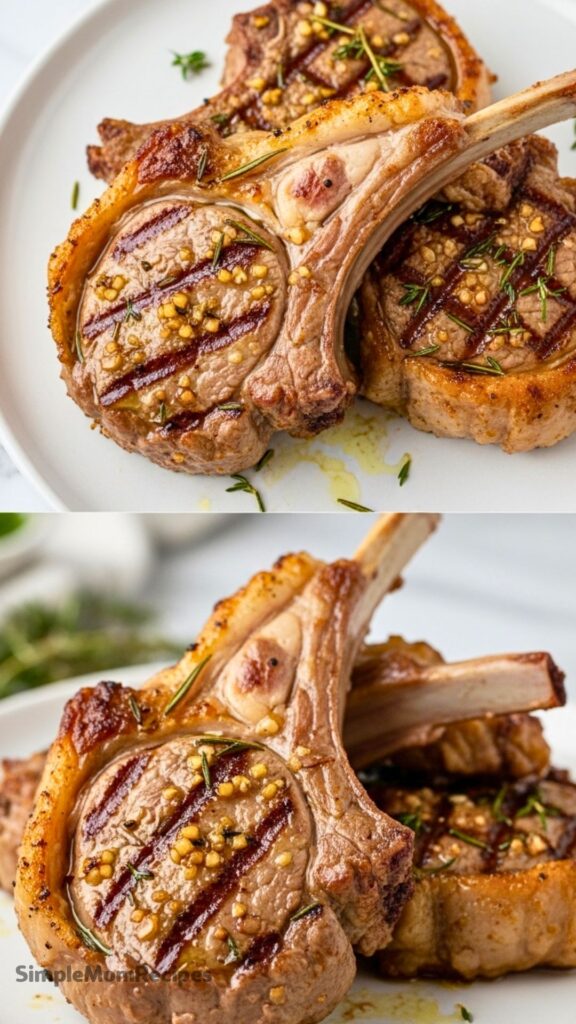
Lamb Shoulder Chop Recipe
Description
This easy Lamb Shoulder Chop Recipe starts with marinating the chops in garlic, rosemary, and thyme, then searing them in olive oil on a cast iron skillet until golden and tender. A simple, rustic dish full of bold, savory flavor that might just become your favorite way to cook lamb! Perfect for casual family dinners or special occasions.
Ingredients
Marinade & Meat
Instructions
Prepare the Marinade
In a small bowl or large ziplock bag, mix the garlic, chopped rosemary, thyme leaves, olive oil, salt, and pepper to create the marinade.Marinate the Lamb
Place the lamb shoulder chops in a shallow dish or the bag with the marinade. Coat them evenly, rubbing the mixture into the meat for optimal flavor. Cover and refrigerate for at least 30 minutes, or up to 24 hours for deeper flavor.Bring to Room Temperature
Remove the lamb from the refrigerator 15-20 minutes before cooking to let it come to room temperature. This ensures even cooking.Sear the Chops
Preheat a large cast iron skillet over medium-high heat. Add a generous amount of olive oil. Once hot, place the lamb chops in the skillet (do not overcrowd; cook in batches if necessary). Sear for 3-4 minutes on each side until a golden-brown crust forms.Finish Cooking
Reduce heat to medium-low and continue cooking until the lamb reaches your preferred doneness. For medium-rare, aim for an internal temperature of 130-135°F (54-57°C).Rest and Serve
Remove the lamb from the skillet and let it rest for 5 minutes. This allows the juices to redistribute. Garnish with additional fresh herbs if desired and serve with your favorite side dishes.
Nutrition Facts
Servings 4
- Amount Per Serving
- Calories 420kcal
- % Daily Value *
- Total Fat 31g48%
- Saturated Fat 9g45%
- Cholesterol 95mg32%
- Sodium 150mg7%
- Potassium 450mg13%
- Total Carbohydrate 2g1%
- Dietary Fiber 0.5g2%
- Protein 32g64%
* Percent Daily Values are based on a 2,000 calorie diet. Your daily value may be higher or lower depending on your calorie needs.
Note
For best results, use a meat thermometer to check doneness. Avoid overcrowding the pan to ensure a good sear rather than steaming the meat.
