
I didn’t grow up eating Irish potatoes, but the first time I made them, I understood why this dish has stuck around for generations. It’s humble. It’s cozy. It tastes like something that was meant to be shared at a loud table with people talking over each other.
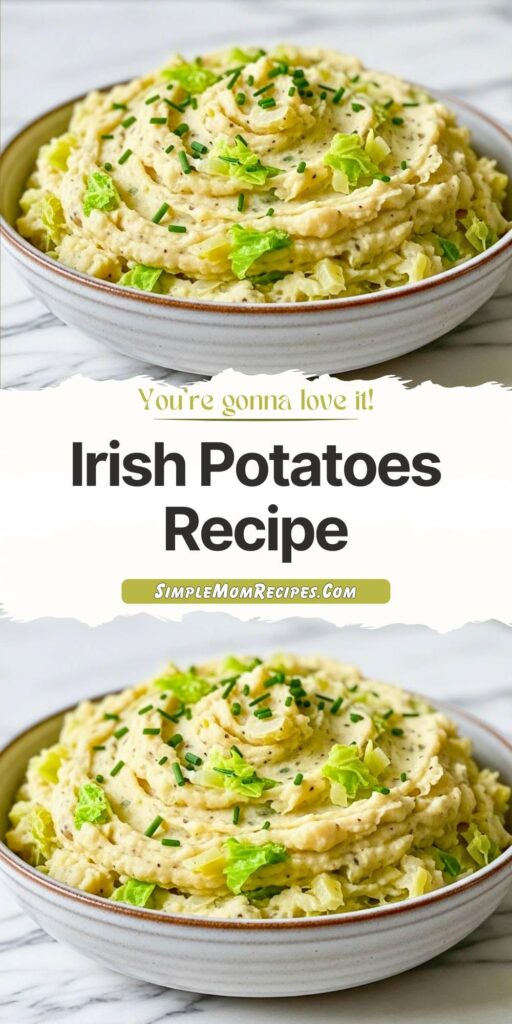
Irish potatoes, often called colcannon, are basically mashed potatoes mixed with greens and something creamy. That’s it. No fancy tricks. Just real food doing what real food does best.
I started making this on cold evenings when I wanted something filling but didn’t feel like fussing. Over time, it turned into one of those recipes I don’t even measure too carefully anymore. It’s forgiving like that.
The thing I love most is how adaptable it is. You can keep it traditional with butter and milk, or go a different route and still get that rich, comforting texture. I’ve tried both. Honestly, both work beautifully.
And if you’ve only ever had plain mashed potatoes, this feels like discovering mashed potatoes grew up and got interesting.
Ingredients I Used for the Recipe
- 2 pounds russet potatoes, peeled and cubed – these make the base and give that fluffy texture that holds everything together.
- 1 cup chopped leeks (white and pale green parts) – adds a mild onion flavor that’s softer and sweeter than regular onions.
- 4 cups chopped green cabbage – brings texture and that traditional earthy taste.
- 1 teaspoon granulated garlic – gives a gentle background flavor without overpowering the dish.
- ¼ cup raw unsalted cashews – blended to create creaminess without using dairy.
- ¼ cup water – helps blend the cashews into a smooth mixture.
- ¼ cup fresh chopped chives – stirred in at the end for freshness and a little color.
- Salt to taste – just enough to wake up all the flavors.
How to Make Irish Potatoes?
Step 1 – Make the Creamy Base
I start by blending the cashews and water together until smooth. It doesn’t look like much at first, but once it’s blended well, it turns into this silky mixture that replaces the usual cream.
The first time I tried this swap, I was skeptical. Now I actually prefer it because it gives richness without feeling heavy.
Step 2 – Boil the Potatoes and Leeks
I add the cubed potatoes, chopped leeks, and granulated garlic to a large pot and cover everything with water by about an inch. Then I bring it to a boil.
After that, I lower the heat slightly and let it cook for about 8 to 10 minutes. The potatoes should be tender but not falling apart yet.
I’ve overcooked them before and ended up with gluey mashed potatoes. Lesson learned. Keep an eye on them.
Step 3 – Add the Cabbage
Once the potatoes are just about tender, I toss in the chopped cabbage and let it cook another few minutes.
This softens the cabbage while keeping a little bite, which is exactly what you want. Mushy cabbage is not the goal here.
Step 4 – Drain and Let the Steam Do Its Thing
I drain the pot and let everything sit off the heat for a minute or two. This helps excess moisture evaporate.
It’s a small step, but it makes the final mash thicker and more flavorful instead of watery.
Step 5 – Mash It All Together
Now comes the satisfying part. I pour in the cashew mixture, add the chives, and mash everything together.
I don’t aim for perfectly smooth potatoes. A few lumps make it feel more rustic and homemade. Overmixing can make the texture pasty, so I stop as soon as it’s combined.
Step 6 – Taste and Adjust
I always taste before serving. Sometimes it needs a pinch more salt. Sometimes I add extra chives because I like the freshness.
Serve it hot. This is not a dish that likes to sit around getting cold.
What I’ve Learned After Making This Many Times
The type of potato matters more than you think. I like russets because they mash up light and fluffy. Waxy potatoes can work, but they don’t give that same cloud-like texture.
Leeks are worth using if you can find them. They bring a subtle sweetness that regular onions don’t quite match. That said, I’ve used scallions in a pinch and nobody complained.
Cabbage is traditional, but I’ve swapped in kale before when that’s what I had. It gives a slightly deeper flavor and works just as well.
This dish is incredibly flexible. That’s probably why it’s lasted so long historically. People made it with what they had, not what a recipe demanded.
One time I even left the potato skins on because I was too tired to peel them. It turned out great and added a little texture. Now I do that sometimes on purpose.
Tips That Actually Make a Difference
- Don’t overboil the potatoes. If they fall apart in the water, they’ll absorb too much moisture and lose flavor.
- Let the drained potatoes sit briefly before mashing. That quick steam release improves texture more than you’d expect.
- Blend the cashews really well. Grainy mixture equals grainy potatoes, and that’s not pleasant.
- Season gradually. Potatoes need salt, but adding it slowly keeps you from overdoing it.
- If you want to bake it, spread the mash into a casserole dish and warm it in the oven until the top is slightly golden. It becomes a little firmer and almost sliceable.
- Leftovers are incredible. I’ve shaped them into small patties and reheated them until crisp on the outside. Honestly, sometimes I make extra just to do that the next day.
How This Dish Became One of My Go-To Comfort Foods
I didn’t expect such a simple recipe to stick with me, but it did. It’s the kind of food that doesn’t try to impress you. It just quietly does its job and makes you feel full and content.
There’s also something nice about making a dish with so much history behind it while still adapting it to your own kitchen. Every time I cook it, it comes out a little different, and that feels right.
Some nights I serve it as a side. Other nights it is the whole meal in a big bowl while I sit on the couch. No rules.
If you’re looking for something comforting, affordable, and deeply satisfying without being complicated, this is it. Just potatoes, greens, and a little care. That’s all it really needs.
And once you make it a few times, you probably won’t need the recipe anymore either. It becomes one of those dishes you just know.
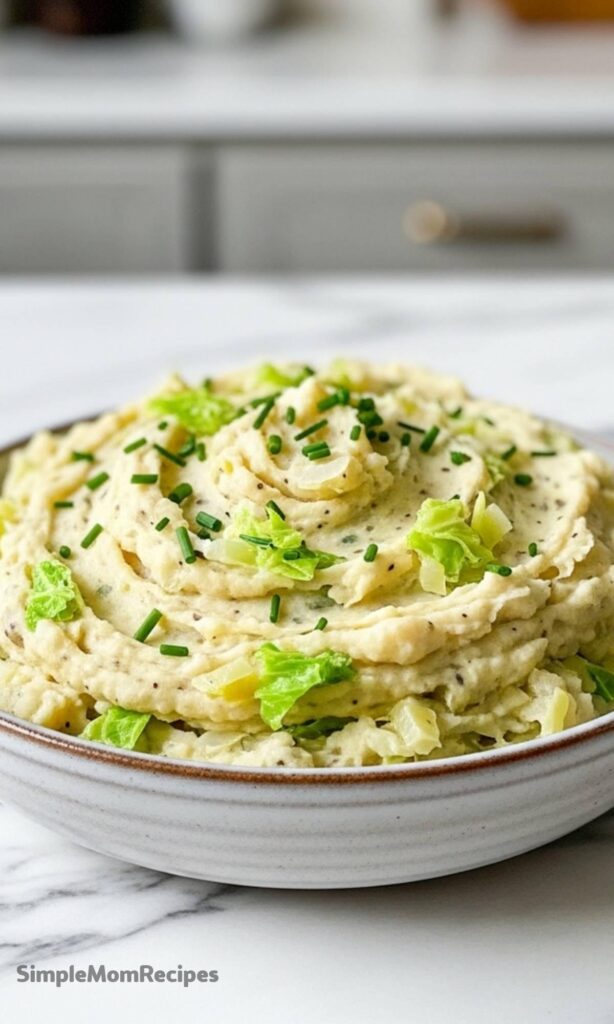
Irish Potatoes Recipe
Description
This rich, flavorful Irish Potatoes dish, also known as Colcannon, is a traditional Irish favorite made of creamy mashed potatoes blended with tender cabbage or kale. This vegan version uses cashews for richness instead of butter and milk, creating a luxuriously smooth texture with deep, comforting flavor. Serve it fresh from the pot, bake it into a comforting casserole, or transform leftovers into crispy homemade tater-tots!
ingredients
Instructions
- Place the water and cashews into a small blender jar and blend briefly until creamy; set aside.
- Place the potatoes, leeks, and granulated garlic into a large soup pot and cover with water by 1 inch.
- Bring to a boil over high heat. Reduce heat to medium-high and boil for 8 to 10 minutes, or until potatoes are tender but not falling apart.
- Add the cabbage to the pot and continue to boil until the potatoes are very tender, 3 to 5 more minutes.
- Drain the water from the soup pot completely. Leave the cooked potatoes and cabbage in the pot and set aside off heat.
- Blend the cashew mixture again until very smooth and creamy.
- Add the blended cashew cream and chopped chives to the pot with the potatoes and cabbage.
- Mash everything together with a potato masher until well combined and creamy. Serve hot, garnished with additional chives if desired.
Nutrition Facts
Servings 6
- Amount Per Serving
- Calories 182kcal
- % Daily Value *
- Total Fat 2.4gg4%
- Saturated Fat 0.4gg2%
- Trans Fat 0gg
- Cholesterol 0mgmg0%
- Sodium 24mgmg1%
- Potassium 858mgmg25%
- Total Carbohydrate 37gg13%
- Dietary Fiber 4.3gg18%
- Sugars 4.2gg
- Protein 5.4gg11%
- Calcium 47mg mg
- Iron 1.8mg mg
* Percent Daily Values are based on a 2,000 calorie diet. Your daily value may be higher or lower depending on your calorie needs.
Note
- Potatoes: Russets are preferred for their light, fluffy texture, but any white potato works. You can leave skins on if using red potatoes for extra fiber and nutrients.
- Kale substitution: Feel free to use kale instead of cabbage, or a blend of both, for a nutrient boost and slightly different flavor profile.
- Leek alternatives: White or yellow onions, or green onions (scallions) can replace leeks if preferred, though leeks offer a uniquely sweet, mild onion flavor.
- Cashew-free option: For richness without cashews, use your favorite unsweetened plant milk (soy, oat, or almond) or mash with reserved cooking water or low-sodium vegetable broth for a fat-free version.
- Baking option: Transfer mashed mixture to a 2-quart casserole dish and bake at 350°F (175°C) for 30 minutes for a golden, set casserole.
- Leftover tater-tots: Form cooled leftovers into small oblong shapes, place on parchment-lined baking sheet, and bake at 425°F (220°C) for 20 minutes. Flip gently and bake 15-20 minutes more until golden and crisp.
