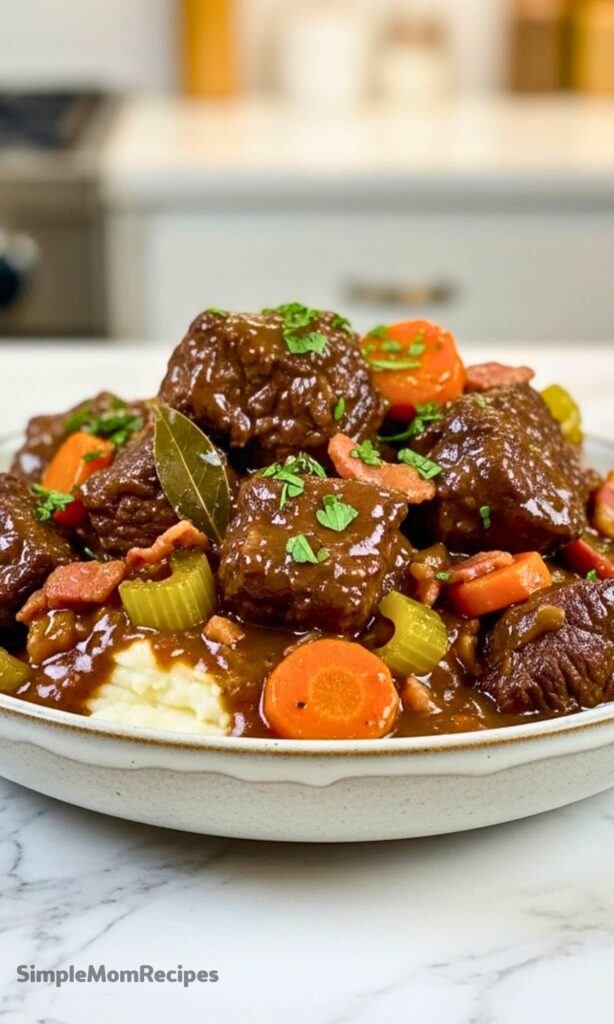
Honestly, stew in general wasn’t even something I cared about when I was younger. It always sounded like one of those things that sat on the stove forever while you waited around getting hungrier and crankier.
Then one cold evening years ago, I tried making a real slow cooked beef stew for the first time. Not rushed. Not thrown together. I let it take its time, and somewhere in that process I realized stew isn’t just food. It’s a mood. It changes the whole house.
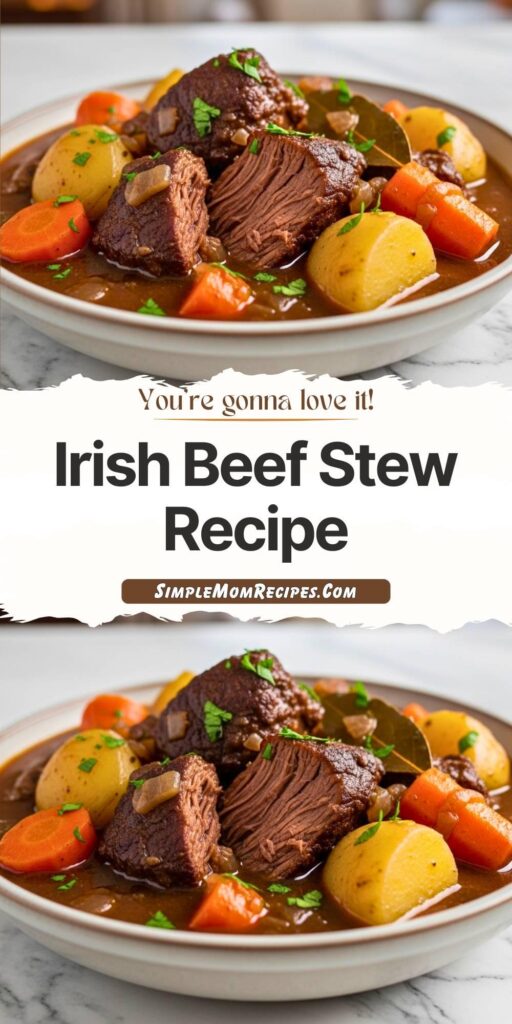
This Irish beef stew is the one I keep coming back to. It’s simple, deeply comforting, and the kind of meal that makes people linger at the table longer than usual. No fancy tricks. Just patience and a few ingredients doing exactly what they’re supposed to do.
Why This Stew Became My Go-To Cold Weather Meal
There’s something about the combination of beef, potatoes, and slow simmered vegetables that just feels grounding. Not exciting in a flashy way. More like the food version of putting on your favorite old sweatshirt.
I love that it doesn’t demand perfection. I’ve overcooked it. Undersalted it. Forgotten it in the oven longer than planned. It still turned out good. That kind of forgiveness is rare in cooking.
The biggest surprise for me was how much flavor develops from such basic ingredients. You don’t need a complicated spice list. The magic really comes from browning the meat properly and letting everything cook low and slow until the beef practically gives up and becomes tender.
I also learned the hard way that rushing onions ruins everything. Once I slowed down and let them soften fully, the stew tasted completely different. Sweeter. Richer. More like what I had hoped it would be all along.
Ingredients I Used for the Recipe
2 tbsp olive oil - for browning the beef and building the first layer of flavor.
700 g or 1½ lbs stewing beef - cut into chunks, this becomes tender after slow cooking.
1 tsp salt and pepper - simple seasoning to bring out the natural taste of the meat.
1 medium onion, chopped - adds sweetness and depth as it cooks down.
3 to 4 sprigs fresh thyme or 1 tsp dried thyme - gives that earthy, classic stew aroma.
1 clove garlic, minced - just enough to add warmth without overpowering.
2 tbsp flour - helps thicken the stew slightly as it cooks.
500 ml or 2 cups water or beef stock, divided - forms the base of the cooking liquid.
440 ml or 1 can stout beer - adds richness and deep flavor to the broth.
1 bay leaf - a small addition that quietly builds background flavor.
4 medium carrots, cut into chunks - bring sweetness and hold their shape well.
4 medium waxy potatoes, cut into large pieces - make the stew hearty and filling.
How to make Irish Beef Stew?
Make this recipe yours—just save it to your Pinterest board!"
Step 1 - Preheat and Get Ready
I start by preheating the oven to 160°C or 300°F. This is a gentle temperature, which is exactly what you want. Stew is not something you blast with heat. It needs time, not intensity.
Step 2 - Brown the Beef Properly
I heat the olive oil in a heavy pot and brown the beef in batches. This part matters more than people think. If you crowd the pan, the meat steams instead of browns, and you lose a ton of flavor.
I wait until I see a deep golden crust before turning the pieces. That color equals flavor later.
Step 3 - Slow Down With the Onions
Once the beef is browned, I push it aside and lower the heat. Then I add the onions and thyme. I cook them slowly for about 8 to 10 minutes.
This is where I used to rush. Now I don’t. The onions need time to soften and release their sweetness. When they look tender and smell amazing, I add the garlic and cook it briefly.
Step 4 - Add Flour and Build the Base
I sprinkle in the flour and stir everything so the beef gets coated. This helps give the stew body later without making it heavy.
Then I pour in some of the water or stock and scrape the bottom of the pot. Those browned bits stuck there are pure flavor. You want them back in the stew.
Step 5 - Add the Stout and Herbs
I pour in the stout and add the bay leaf. The smell changes immediately. It becomes deeper, richer, almost toasty.
I bring it to a gentle boil, cover the pot, and transfer it to the oven for about an hour.
Step 6 - Add the Vegetables
After the first hour, I take the pot out and add the carrots and potatoes. I cut them into large chunks so they don’t fall apart during the long cooking time.
I add a bit more water, cover it again, and return it to the oven for another 1½ hours.
Step 7 - Finish Without the Lid
For the last 10 minutes, I remove the lid. This lets the sauce thicken slightly and concentrate.
At this point the beef should be fork tender. If it isn’t, I give it more time. Stew doesn’t care about schedules.
Step 8 - Serve It Simply
I ladle it into bowls and usually add a little chopped parsley if I have it. Most of the time I serve it with warm bread to soak up the broth because leaving that behind feels like a crime.
Tips
Choose the right cut of beef. Tougher cuts like shoulder work beautifully here. They break down during slow cooking and become incredibly tender.
Don’t skip browning. This is the step that builds the stew’s personality. Pale meat equals flat flavor.
Let the onions actually cook. If they’re still sharp and crunchy when you add liquid, the stew never develops that mellow richness.
Cut vegetables large. Small pieces turn mushy after hours in the oven. Big chunks stay intact and satisfying.
Low and slow is the rule. If the stew cooks too fast, the beef tightens instead of relaxing. Gentle heat makes all the difference.
It tastes even better the next day. I don’t know the science behind it, but the flavors settle and deepen overnight.
You can thicken it differently if needed. If I want it gluten free, I skip the flour and stir in a little cornstarch mixed with water near the end.
How I Serve It and Handle Leftovers
This stew is a full meal on its own. You don’t need sides unless you want them. I usually just add bread because dipping is half the experience.
If I’m making it for guests, I cook it earlier in the day and let it sit. Reheating gently on the stove actually improves it, which takes a lot of pressure off.
Leftovers keep well in the fridge for several days. I store them in a sealed container and reheat slowly with a splash of water if it thickens too much.
It also freezes surprisingly well. I portion it out so I can pull one container when I don’t feel like cooking. Future me is always grateful for that decision.
More than anything, this is the kind of recipe that reminds me cooking doesn’t have to be complicated to be meaningful. A pot, some time, and a handful of honest ingredients can turn into something that feels like you worked much harder than you did.
And every single time I make it, the house smells like I’ve been cooking all day on purpose. Which, in this case, I have. Totally worth it.
This Irish Beef Stew recipe uses simple pantry ingredients to create complex flavors and tender, melt-in-your-mouth beef. The secret ingredient? Guinness stout, which adds deep, robust flavor with minimal effort. Perfect for cold weather, this rich and delicious stew is packed with beef, potatoes, and vegetables that warm you from the inside out.
ingredients
2tbsp olive oil
1tsp salt and pepper (to taste)
700g stewing beef (or beef shoulder, cut into chunks)
1 onion (medium, chopped)
3-4sprigs thyme (or 1 tsp dried thyme)
1clove garlic (minced)
2tbsp flour (for thickening)
500ml water or beef stock (divided)
440ml Guinness (or other stout)
1 bay leaf
4 carrots (medium, cut into large chunks)
4 waxy potatoes (such as red potatoes, medium, cut into large chunks)
Instructions
1
Preheat the oven to 160°C (300°F).
2
Heat the olive oil in a large Dutch oven or cast iron casserole pot. Season beef chunks with salt and pepper and brown over medium heat in batches until golden, avoiding overcrowding.
3
Move the browned beef to one side of the pot and lower the heat. Add chopped onions and thyme, cook over low heat for 8-10 minutes until tender. Add minced garlic and cook briefly for 30 seconds.
4
Add the flour and stir to coat the beef. Pour in water or beef stock and scrape the bottom of the pot with a spatula to release browned bits. Add Guinness and bay leaf, turn heat up and bring to a boil.
5
Cover with a lid and place in the preheated oven for 1 hour.
6
After one hour, remove from oven and add carrots and potatoes cut into large chunks. Stir, add 250ml (1 cup) of water, cover with lid and continue cooking in the oven for 1.5 hours.
7
Remove the lid for the last 10 minutes of cooking to allow the stew to thicken slightly.
8
Serve hot with crusty bread and sprinkle with fresh parsley for extra flavor and color.
Nutrition Facts
Servings 6
Amount Per Serving
Calories500kcal
% Daily Value *
Total Fat18gg28%
Saturated Fat6gg30%
Trans Fat0gg
Cholesterol80mgmg27%
Sodium450mgmg19%
Potassium900mgmg26%
Total Carbohydrate45gg15%
Dietary Fiber6gg24%
Sugars8gg
Protein35gg70%
Calcium 6% mg
Iron 25% mg
* Percent Daily Values are based on a 2,000 calorie diet. Your daily value may be higher or lower depending on your calorie needs.
Note
Best beef cuts: Use stewing beef or beef shoulder roast cut into chunks for tender results.
Potato tip: Choose waxy potatoes like red-skinned varieties that hold their shape during long cooking.
Browning matters: Take time to brown the beef until golden - this step creates deep flavor and richness in the stew.
Onion technique: Cook onions slowly for at least 10 minutes over low heat to release natural sugars and develop sweetness.
Deglaze properly: Scrape the bottom of the pot when adding liquid to incorporate all the flavorful browned bits.
Gluten-free option: Substitute flour with cornstarch dissolved in water to thicken the stew.
I’m a London-based food writer, recipe developer, and home cook who has been passionate about cooking for over 15 years. What started as a way to recreate my mother’s traditional dishes turned into a lifelong love for experimenting with flavors, writing about food, and helping others feel more confident in the kitchen.