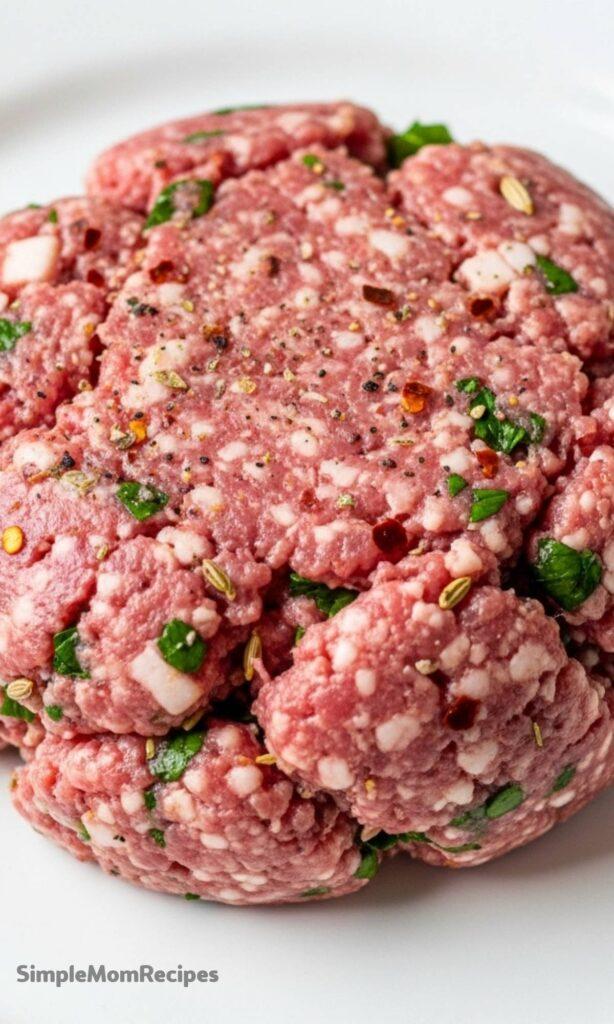
The moment fennel hits freshly ground pork, the aroma alone tells you this is going to be good. It’s one of those recipes that feels deeply traditional yet incredibly practical. You’re not just cooking—you’re building flavor from the ground up. The texture, the balance of herbs, and that unmistakable savory warmth are things store-bought sausage rarely gets right. Once you try it homemade, it’s hard to go back.
Why You'll Love This Recipe
One of the biggest reasons I keep coming back to this recipe is how much control it gives you. Italian sausage varies wildly depending on the brand, and sometimes the seasoning is flat or overly salty. Making it yourself means every batch tastes exactly how you want it to.
There’s also the cost factor, which surprised me the first time I did the math. A whole pork shoulder—especially when bought on sale—turns into several pounds of high-quality sausage for far less than packaged links. That’s enough for multiple meals, and it freezes beautifully.
I also love how flexible this recipe is. Whether you want a classic sweet Italian sausage or something with a bit more heat, you can fine-tune it easily. And despite how impressive it sounds, the process is far more approachable than most people expect. Once you’ve done it once, it becomes second nature.
Ingredients Needed for the Recipe
Getting the ingredients right sets the foundation for great sausage. Each component plays a specific role, and together they create that unmistakable Italian flavor.
Pork Shoulder: This cut is ideal because it naturally contains the right balance of lean meat and fat. That fat is essential for juicy, flavorful sausage. A bone-in shoulder often has better texture and flavor, but boneless works just fine if that’s what you have.
Fresh Herbs (Oregano, Basil, Parsley): Fresh herbs give the sausage a clean, vibrant flavor that lifts the richness of the pork. If you’re using dried herbs, reduce the amount since they’re more concentrated.
Fennel Seeds: This is the soul of Italian sausage. Lightly crushing the seeds before adding them releases their oils and makes the flavor more pronounced without overpowering the meat.
Paprika & Cayenne: Paprika adds subtle sweetness and color, while cayenne brings a gentle heat that builds rather than hits all at once.
Red Pepper Flakes & Black Pepper: These provide sharper heat and a peppery bite. Adjusting these lets you steer the sausage toward sweet or spicy.
Granulated Garlic & Salt: Garlic adds depth without moisture, and salt does far more than season—it helps the sausage bind properly.
Red Wine: A small splash adds richness and complexity. Keeping it cold helps maintain the texture of the meat during mixing.
The Simple Equipment
You don’t need professional equipment to make excellent sausage at home. A basic meat grinder attachment for a stand mixer works perfectly well.
What matters most is temperature. Chilling the grinder parts, the bowl, and even the meat beforehand keeps the fat firm. This prevents smearing and ensures a clean grind, which directly affects texture. It’s a small step that makes a noticeable difference.
How to make Homemade Italian Sausage?
Make this recipe yours—just save it to your Pinterest board!"
Step 1- Prep and Chill the Meat
Start by cutting the pork shoulder into roughly two-inch cubes. Take a moment to remove any tough sinew or connective tissue. It’s worth the extra few minutes, as those bits can interfere with grinding later.
Spread the cubes out on a tray and place them in the freezer for about 15 minutes. You’re not freezing the meat solid—just firming it up. This helps the grinder cut cleanly and keeps the fat evenly distributed.
Step 2- The Grind
Assemble your grinder with a small die and set up a chilled bowl beneath it. I like to nest my mixing bowl inside a larger bowl filled with ice to keep everything cold throughout the process.
Grind the semi-frozen pork directly into the bowl. Pay attention to the texture—you should see clear pieces of meat and fat, not a paste. That visual cue tells you the temperature is right.
Step 3- Season and Bind
Add all the herbs, spices, garlic, and salt to the ground meat. Mixing by hand works best here because you can feel when the texture changes.
Pour in the chilled red wine and continue mixing until the meat becomes slightly sticky and cohesive. This stage, often called “the bind,” is crucial. It ensures the sausage holds together and cooks up juicy rather than crumbly.
Step 4- The Taste Test
This step is essential. Scoop out a small amount of sausage and cook it in a pan until done. Taste carefully.
This is your chance to adjust the seasoning. Maybe it needs a touch more salt, a bit more fennel, or extra heat. Making changes now ensures the entire batch turns out exactly how you want it.
Step 5- Portion and Store
Once the seasoning is dialed in, divide the sausage into one-pound portions. I find this size the most convenient for everyday cooking.
Place the portions into freezer bags, press out as much air as possible, and label them. Fresh sausage can be used right away or frozen for future meals.
Tips
Embrace the Cold: Cold meat and equipment are non-negotiable. If things start warming up, pause and re-chill. It’s the easiest way to avoid greasy sausage.
Customize Your Heat: For sweet Italian sausage, skip the cayenne and red pepper flakes. For spicy, increase them gradually—you can always add more, but you can’t take it out.
Take Notes: If you tweak the seasoning and love the result, write it down. Sausage-making is part cooking, part craft.
Sinew is the Enemy: Removing tough connective tissue during prep saves frustration later and keeps the grinder running smoothly.
Storing Your Homemade Sausage
Fresh sausage can be stored in the refrigerator for three to five days. Keep it tightly wrapped or sealed to maintain freshness.
For longer storage, freezing is ideal. When packaged properly, homemade Italian sausage keeps excellent quality for up to a year. Thaw it slowly in the refrigerator before using for best texture.
Delicious Ways to Use It
This sausage earns its place in your freezer because it works in so many dishes.
Crumble it into pasta sauces, layer it into lasagna, or use it as a filling for stuffed shells or ravioli. Form it into patties for breakfast sandwiches or slice it into soups and stews.
One of my favorite ways to enjoy it is simply sautéed with bell peppers and onions, served on a crusty roll. It’s simple, satisfying, and a perfect reminder of why making sausage from scratch is so worth it.
Making homemade Italian sausage is easier than you might think. Turn pork shoulder into sausage with a few spices and some fresh herbs to build flavor. This recipe makes a large batch, so you can freeze the extra and always have sausage ready for your favorite meals.
Ingredients
6pounds pork shoulder (Cut into large 2-inch cubes, bone-in preferred for fat content)
2.5tablespoons kosher salt (or other coarse salt (40 grams))
4tablespoons fresh Italian parsley (finely minced (10 grams))
2tablespoons red pepper flakes ((11 grams))
2tablespoons granulated garlic ((22 grams))
1tablespoon black pepper ((6 grams))
1teaspoon cayenne pepper
0.5cup red wine (chilled, dry variety preferred)
Instructions
1
Read through all instructions and notes before beginning.
2
Cut pork shoulder into large 2-inch pieces, removing any bones, sinew, or connective tissue. Place in the freezer for 10–20 minutes to chill thoroughly.
3
Grind the chilled meat using the small die of a meat grinder into a bowl set over ice. Ensure the meat and fat come through cleanly—distinct and not smeared. If mushy, stop and clean the blade and tube.
4
Add all seasonings (salt, fennel seeds, paprika, herbs, red pepper flakes, garlic, black pepper, cayenne) to the ground meat. Mix thoroughly by hand until evenly distributed.
5
Add the chilled red wine and continue mixing until the mixture becomes sticky—this is called 'the bind.' Test by pressing a small patty into your palm and flipping your hand—if it sticks, it’s ready.
6
Cook a small test portion in a skillet. Taste and adjust seasonings if needed.
7
Portion the sausage into 1-pound batches (or desired size).
8
Place portions into freezer-safe or vacuum-sealed bags. Store in the refrigerator for up to 5 days or freeze for up to 1 year.
Nutrition Facts
Servings 6
Amount Per Serving
Calories285kcal
% Daily Value *
Total Fat21g33%
Saturated Fat7g35%
Cholesterol70mg24%
Sodium1020mg43%
Potassium380mg11%
Total Carbohydrate4g2%
Dietary Fiber1g4%
Sugars1g
Protein19g38%
Calcium 30 mg
Iron 2 mg
* Percent Daily Values are based on a 2,000 calorie diet. Your daily value may be higher or lower depending on your calorie needs.
Note
Keep everything cold: Chill meat, grinder parts, and mixing bowl to prevent fat smearing and ensure proper texture.
Sweet vs. Hot: Omit red pepper flakes and cayenne for sweet Italian sausage.
Customize: Adjust garlic, fennel, or spice levels to taste—keep notes for next time!
Storage: Freeze in 1-lb portions for easy use in lasagna, pasta, soups, and more.
Keywords:
homemade italian sausage, pork sausage, diy sausage, italian seasoning sausage, freezer-friendly sausage
Kelsey Perez
Food & Lifestyle Blogger
I’m a London-based food writer, recipe developer, and home cook who has been passionate about cooking for over 15 years. What started as a way to recreate my mother’s traditional dishes turned into a lifelong love for experimenting with flavors, writing about food, and helping others feel more confident in the kitchen.