

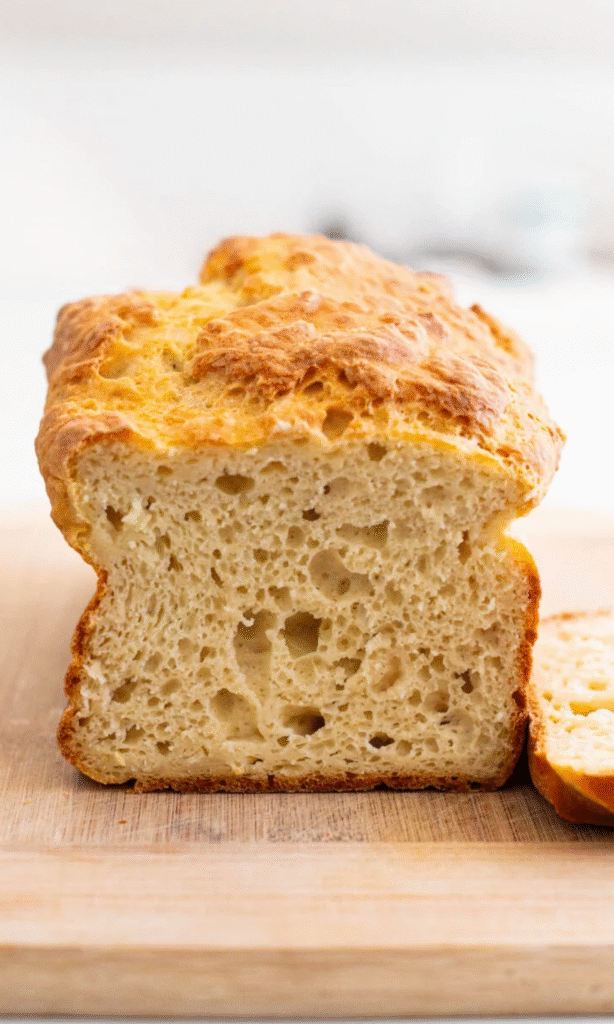
Sometimes the best discoveries happen when you least expect them. You know that moment when you’re rummaging through your fridge, looking for something – anything – to satisfy a craving, and suddenly you spot that container of Greek yogurt sitting there like a little beacon of possibility? That’s exactly how this magical bread came to life.
This isn’t just any ordinary loaf. We’re talking about a bread that delivers serious protein power while still being ridiculously tender and flavorful. The kind of bread that makes you feel good about your choices, whether you’re toasting it for breakfast or turning it into the most satisfying sandwich you’ve had all week.
Why Greek Yogurt Makes All the Difference
Greek yogurt isn’t just riding the health wave – it’s actually transforming how we bake. When you fold that creamy, tangy goodness into bread dough, something beautiful happens. The acid in the yogurt reacts with baking soda to create the most incredible lift, while all that protein gives your body exactly what it needs to power through the day.
Unlike regular yogurt, Greek yogurt has been strained to remove excess whey, leaving behind a concentrated powerhouse of nutrition. We’re talking about double the protein content and a texture so rich it almost feels indulgent. In bread making, this translates to a loaf that’s both sturdy enough for hearty sandwiches and tender enough to melt in your mouth.
The beauty of this particular yogurt is how it plays with other ingredients. It doesn’t overpower; instead, it enhances. That subtle tang complements the mild sweetness of milk, while the creamy texture ensures every slice is perfectly moist without being dense.
Ingredients Needed for the Recipe
For the bread:
- 3 cups (15 oz/426 g) all-purpose flour
- 1 tablespoon baking powder
- 1¼ teaspoon salt
- ½ teaspoon baking soda
- 1½ cups (12 fl oz/360 ml) whole milk, plus extra for brushing
- ¾ cup (6 oz/170 g) Greek yogurt (full-fat works best)
That’s it. Six simple ingredients that probably live in your kitchen right now. No specialty flours, no hard-to-find additives – just honest, wholesome ingredients that work together like they were meant to be.
The flour provides structure without being heavy, while baking powder and baking soda team up to give this bread its signature rise. Salt brings out all the flavors, and milk adds just enough richness to balance the tanginess of the yogurt.
The Science Behind This Simple Combination
Quick breads like this one are fascinating from a scientific standpoint. Unlike yeasted breads that require time and patience, this loaf relies on chemical leavening agents that spring into action the moment they meet moisture and heat.
When you mix Greek yogurt with baking soda, you’re creating a small chemistry experiment right in your bowl. The acid in the yogurt reacts immediately with the alkaline baking soda, producing carbon dioxide bubbles that will make your bread light and airy. Meanwhile, baking powder provides a secondary lift once it hits the oven’s heat.
This double-leavening action is what gives the bread its perfect texture – not too dense, not too fluffy, but just right. The Greek yogurt also contributes moisture that lasts, meaning your bread stays fresh longer than many homemade loaves.
How to Make High Protein Bread Recipe (With Greek Yogurt)?

Prepare Your Kitchen
Start by preheating your oven to 375°F (190°C). This temperature is crucial – hot enough to activate your leavening agents quickly, but not so hot that the outside browns before the inside cooks through.
Line a 9×5 inch loaf pan with parchment paper, leaving some overhang. This makes removing the finished loaf so much easier, and you’ll thank yourself later when that golden bread lifts out perfectly.
Mix the Dry Ingredients
In a large bowl, whisk together flour, baking powder, salt, and baking soda. Don’t skip the whisking – this step aerates the flour and ensures your leavening agents are evenly distributed. You want every bite to have the same perfect rise.
Take a moment here to really look at your dry ingredients. The flour should be fluffy, the baking powder fresh (if it’s been sitting in your pantry for over a year, it’s time for a new container), and everything should smell clean and fresh.
Combine the Wet Ingredients
In a separate bowl, mix the milk and Greek yogurt until smooth. This step prevents lumps and ensures the yogurt is evenly incorporated. You’ll notice the mixture might look slightly curdled – that’s completely normal and actually desirable for the chemical reactions we want.
The key here is to work efficiently. Once you add the wet ingredients to the dry, the clock starts ticking on those leavening agents.
Bring Everything Together
Pour the yogurt mixture into the flour mixture and use a rubber spatula to fold everything together. Here’s where restraint becomes your best friend – mix just until the ingredients are combined. Overmixing develops gluten strands that can make your bread tough instead of tender.
The dough will be thick, more like a very thick cake batter than traditional bread dough. This is exactly what you want. Spread it evenly in your prepared pan, smoothing the top gently.
Add the Finishing Touch
Brush the top with a little extra milk. This simple step creates the most beautiful golden crust and helps prevent the top from drying out during baking.
Bake to Golden Perfection
Slide your pan into the preheated oven and bake for 50-60 minutes. You’ll know it’s done when a tester inserted in the center comes out clean or with just a few moist crumbs clinging to it.
If the top starts browning too quickly (every oven is different), tent it loosely with aluminum foil for the remaining baking time. This protects the surface while allowing the interior to finish cooking.
The Cooling Process
Let the bread cool in the pan for 10 minutes before transferring to a wire rack. This brief rest allows the structure to set while preventing the bread from becoming soggy on the bottom.
Then transfer to a wire rack to cool completely. I know it’s tempting to slice into it immediately, but warm bread can be gummy. The wait is worth it for perfect slices.
Perfect Pairings and Serving Ideas
This bread is incredibly versatile – it plays well with both sweet and savory companions. For breakfast, try it toasted with a smear of almond butter and a drizzle of honey. The nutty richness complements the subtle tang beautifully.
For lunch, this bread makes exceptional sandwiches. Its sturdy crumb holds up to hearty fillings without falling apart, while the protein content keeps you satisfied longer. Try it with sliced turkey, avocado, and crisp lettuce, or go classic with peanut butter and your favorite jam.
In the evening, warm slices pair wonderfully with soup. The bread’s mild flavor doesn’t compete with complex broths, and its protein content makes it more substantial than typical bread sides.
Don’t overlook it as a base for bruschetta or open-faced melts either. The firm texture and neutral flavor make it an excellent canvas for creative toppings.
Smart Storage and Make-Ahead Tips
Fresh bread is wonderful, but life gets busy. This loaf stores beautifully when you know the tricks. At room temperature, wrap it in a clean kitchen towel and store in an airtight container for up to three days. The towel absorbs excess moisture while the container prevents the bread from drying out.
For longer storage, slice the entire loaf and freeze individual portions in freezer bags. This way, you can grab exactly what you need for toast or sandwiches without thawing the whole loaf. Frozen slices toast directly from the freezer – just add an extra minute or two to your usual toasting time.
If you prefer to freeze the whole loaf, wrap it tightly in plastic wrap, then aluminum foil. It’ll keep for up to two months. Thaw at room temperature for several hours, and it’ll taste nearly as fresh as the day you baked it.
Here’s a pro tip: slightly stale bread makes incredible French toast. The denser texture soaks up custard without falling apart, creating the most luxurious breakfast treat.
Troubleshooting and Variations
Even simple recipes can have their quirks, so let’s address the most common questions before they become problems.
If your bread turns out too dense, you likely overmixed the dough or your leavening agents weren’t fresh. Baking powder and baking soda lose their potency over time, so check expiration dates and replace if necessary.
For a heartier version, substitute one cup of all-purpose flour with whole wheat flour. This adds fiber and a nuttier flavor while maintaining the bread’s tender texture. You might need an extra tablespoon or two of milk if the dough seems too thick.
Herb lovers can fold in a tablespoon of dried rosemary, thyme, or oregano to the dry ingredients. For a garlic bread variation, add two minced cloves to the wet ingredients. Seeds like sunflower, pumpkin, or sesame add delightful crunch and extra nutrition.
Cheese enthusiasts should try folding in ⅓ cup of grated hard cheese like cheddar or Parmesan. The saltiness complements the yogurt’s tang beautifully, creating a bread that’s perfect with soup or salad.
Tips
Success with this bread comes down to understanding a few key principles. First, measure your ingredients accurately, especially the flour. Too much flour creates a dense loaf, while too little results in a bread that doesn’t hold its shape.
Temperature matters more than you might think. Cold ingredients don’t mix as readily, so let your Greek yogurt and milk come to room temperature before combining them. This ensures smooth mixing and better texture in the finished bread.
When checking for doneness, insert your tester into the center of the loaf, not near the edges. The center takes longest to cook, so if it’s done, the rest of the bread is perfectly baked.
Don’t open the oven door for the first 40 minutes of baking. The sudden temperature change can cause the bread to collapse, undoing all that beautiful rise from your leavening agents.
Finally, trust the process. This bread might look different from yeasted loaves you’re used to, but that dense, cake-like batter transforms into something magical in the oven. The result is a bread that’s both satisfying and nourishing – exactly what you want from a homemade loaf.
With these techniques in your arsenal, you’ll be turning out perfect loaves every time, each one a testament to the simple power of good ingredients treated with care and respect.

High Protein Bread Recipe (With Greek Yogurt)
Description
This High Protein Bread Recipe is a game-changer for anyone craving fresh, homemade bread without the fuss of yeast or kneading. Made with just six simple ingredients, including protein-rich Greek yogurt and whole milk, this quick bread bakes up tender, golden, and packed with 12 grams of protein per slice. Perfect for toast, sandwiches, or slathered with butter, it's a nutritious, delicious staple you'll make again and again!
Ingredients
Instructions
-
Preheat oven to 190°C (375°F). Line a 9x5 inch (23x12.5 cm) loaf pan with parchment paper.
-
In a large bowl, sift together the all-purpose flour, baking powder, salt, and baking soda.Sifting helps aerate the flour for a lighter crumb.
-
In a separate bowl, whisk together the whole milk and Greek yogurt until smooth.Ensure no lumps remain for even mixing.
-
Pour the wet ingredients into the dry ingredients. Mix with a rubber spatula until just combined. Do not overmix.The dough will be thick and sticky.
-
Transfer the dough to the prepared loaf pan and spread evenly. Brush the top with a little extra milk.This creates a soft, golden crust.
-
Bake for 50–60 minutes, or until a cake tester or skewer inserted in the center comes out clean.If the top browns too quickly, tent with aluminum foil after 40 minutes.
-
Let cool in the pan for 10 minutes, then transfer to a wire rack to cool completely.Cooling prevents the bread from becoming gummy.
-
Slice and serve with butter, jam, or use for sandwiches. Store in an airtight container.
Nutrition Facts
Servings 10
- Amount Per Serving
- Calories 220kcal
- % Daily Value *
- Total Fat 8g13%
- Saturated Fat 4.5g23%
- Cholesterol 20mg7%
- Sodium 480mg20%
- Potassium 220mg7%
- Total Carbohydrate 28g10%
- Dietary Fiber 1g4%
- Sugars 6g
- Protein 12g24%
- Calcium 180 mg
- Iron 2.0 mg
* Percent Daily Values are based on a 2,000 calorie diet. Your daily value may be higher or lower depending on your calorie needs.
Note
- Flour Tip: For a heartier texture, replace 1 cup of all-purpose flour with whole wheat flour.
- Yogurt is Key: Use full-fat Greek yogurt for the best protein content and texture. Regular yogurt has more liquid and may require extra flour.
- Add-Ins: Enhance flavor with 1 tbsp dried herbs, 1 clove minced garlic, or 1/3 cup grated cheddar or Parmesan.
- Seeds & Nuts: Add 1/4 cup sunflower, flax, or pumpkin seeds for extra crunch and nutrition.
- Storage: Store at room temperature for up to 3 days, in the fridge for up to 1 week, or freeze for up to 2 months. Wrap tightly in plastic and foil.
- Reheating: Toast slices or warm in a 175°C (350°F) oven for 10 minutes to refresh.