

I have a confession to make. For the longest time, I thought espresso martinis were strictly for fancy bars and professional bartenders. You know the scene—low lighting, velvet banquettes, a bartender in a crisp white shirt who shakes the cocktail with theatrical flair. It felt like a drink you ordered, not one you made yourself.
Turns out, I was very wrong. Jenny proved that to me the first time we tested this recipe in her kitchen. She pulled a shot of espresso, grabbed the vodka from the freezer, and in about sixty seconds flat, handed me a glass of something so smooth and frothy I genuinely thought I’d missed a step. “You just shook it,” I said. She just laughed.
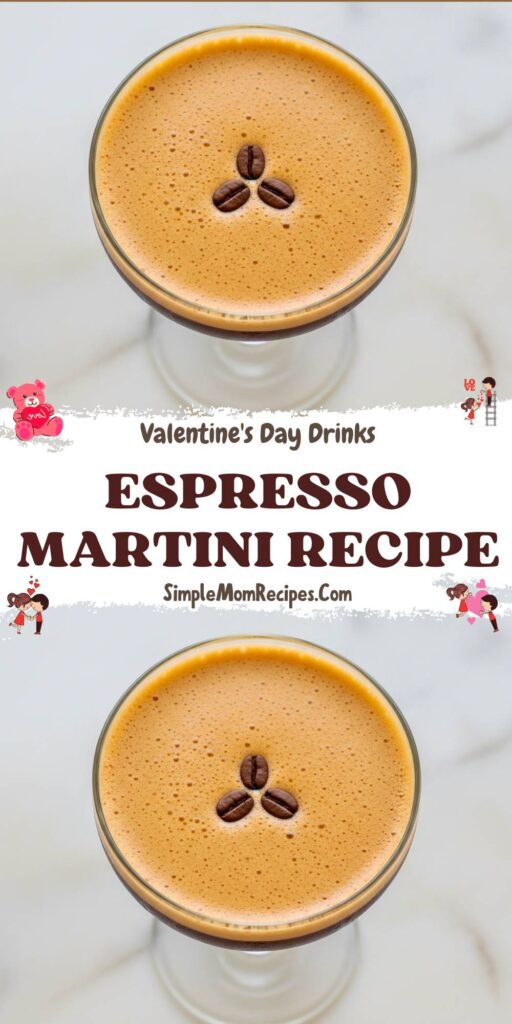
That’s the thing about this cocktail. It looks impressive—that velvety foam, those three perfect coffee beans floating on top—but underneath all that elegance, it’s a four-ingredient recipe that anyone can nail on the first try. No white shirt required.
Why This Cocktail Deserves a Spot in Your Rotation
Coffee drinks often lean one of two ways: dessert-sweet or aggressively bitter. This one finds the pocket in between. It’s rich without being heavy, sweet without being cloying, and that little caffeine kick means you don’t have to choose between a nightcap and staying awake to enjoy it.
She likes to serve these at the start of dinner parties. I’m more of an after-dinner person myself. Either way, it works. It’s versatile like that.
And honestly? It’s just fun to make. Shaking a cocktail feels good. The sound of ice against metal, the chill spreading across your palms, the way the foam blooms when you pour. You feel like you’re doing something, not just opening a bottle.
Ingredients Needed for the Recipe
- Vodka (2 ounces) – This is your blank canvas. It provides the structure and the kick without interfering with the coffee flavor. She reaches for Tito’s, but use what you have. Just avoid anything too peppery or flavored—you want clean and neutral here.
- Coffee liqueur (½ ounce) – Kahlúa is the standard for a reason. It brings deep, roasty notes and enough sweetness that you don’t feel like you’re drinking straight espresso. Think of it as the bridge between the vodka and the coffee.
- Fresh espresso (1 ounce) – This is non-negotiable if you want that signature foam. Not a stronger coffee. Not a dark roast drip. Actual espresso, pulled fresh, then cooled just slightly. It’s what gives the drink its soul.
- Simple syrup (½ ounce) – Just sugar and water, simmered until clear. It rounds out the edges. If your coffee liqueur is on the sweeter side, you can cut back or skip it entirely. She includes it in her base recipe, and I think it’s the difference between good and great.
- Ice – Not technically an ingredient, but you can’t make the drink without it. Use large, dense cubes if you have them. They melt slower and won’t water things down.
- Coffee beans (for garnish) – Three beans, traditionally. They look beautiful and give your nose something to smell while you sip.
How to make Espresso Martini?
Step 1 – Chill your glass
This isn’t mandatory, but it makes a noticeable difference. Stick your coupe or martini glass in the freezer for ten minutes before you start. If you forget—and I forget constantly—fill it with ice water while you prep the drink, then dump it right before straining. A cold glass keeps the foam stable and the cocktail crisp.
Step 2 – Pull and cool your espresso
Fresh espresso is the goal here. The crema, that golden-brown layer that floats on top of a well-pulled shot, is what helps create the cocktail’s signature foam. But hot espresso will massacre your ice. She pops her shot in the freezer for four or five minutes. I’ve been known to set the portafilter directly on a cold granite countertop. Whatever works. You want the espresso cool to the touch, not warm.
Step 3 – Combine everything in the shaker
Pour the vodka, coffee liqueur, cooled espresso, and simple syrup into your cocktail shaker. No ice yet. Give it a quick swirl to mix the liquids before the ice goes in. This sounds fussy, but it helps everything incorporate more evenly once you start shaking.
Step 4 – Add ice and shake. Hard.
Now add your ice. Seal the shaker tightly—I cannot stress this enough, check that seal—and shake with conviction. Not a polite little jiggle. Aggressive, full-arm shakes. she says to shake until the outside of the shaker is frosty and your hands hurt a little. I aim for about fifteen seconds of sustained, violent enthusiasm.
This is where the foam happens. The ice aerates the espresso and liqueur, creating thousands of tiny bubbles that stabilize into that silky top layer. If you shake gently, you’ll just have cold coffee with vodka. Go hard or go home.
Step 5 – Strain and pour
Remove your glass from the freezer. Strain the cocktail into it in one smooth, continuous pour. You’ll see the foam separate and rise to the top as the glass fills. If you’re using a Hawthorne strainer, pour steadily. If you’re using a julep strainer, hold it firmly against the ice.
Step 6 – Garnish and serve immediately
Drop three coffee beans onto the foam. They should float, not sink. That’s how you know your foam is good. Serve right away—this drink waits for no one. The foam will begin to dissipate within a minute or two.
Tips
- Cool your espresso fully, not just slightly. She recommends a few minutes in the fridge or freezer. I do at least five, sometimes longer if I get distracted. Warm espresso dilutes the drink and kills the foam. Cold espresso creates magic.
- No espresso machine? Cold brew concentrate is your friend. It won’t have the crema, so the foam will be slightly less dramatic, but the flavor is still excellent. She likes Chameleon or Bizzy. I’ve used both and they work beautifully. Just don’t use regular cold brew—it’s too weak and will make the drink watery.
- Adjust the sweetener to your palate. The ½ ounce of simple syrup in the recipe produces a cocktail that is sweet but not syrupy. If you prefer drinks on the drier side, start with ¼ ounce or omit it entirely. The coffee liqueur carries plenty of sweetness on its own.
- Shake like you mean it. I know I said this already, but it’s the most common mistake people make. You cannot over-shake an espresso martini. You can definitely under-shake one. That sad, flat layer of bubbles on top? Under-shook. Commit to the motion.
- Chill your glass. The temperature difference between the cold cocktail and a room-temperature glass will break the foam at the edges. It still tastes fine, but it won’t look as pretty. A cold glass keeps everything intact.
When the Coffee Beans Sink (and Other Small Disappointments)
Sometimes you do everything right and the garnish still sinks to the bottom. It happens. Don’t panic and don’t fish for them with your fingers. Just drop a couple more beans on top—they’ll usually float on the second try, or you can rest them gently on the foam with a toothpick.
This is also the moment when people ask if they’re supposed to eat the beans. You can, if they’re fresh and not too hard. They’re mostly there for aroma and visual appeal. I eat mine at the end, when they’ve softened slightly from sitting in the drink. It’s not required. It’s just a small, private pleasure.
Swaps and Twists That Actually Work
The classic version is perfect, but sometimes you want to play. She suggests swapping gin for vodka if you’re a martini purist, and she’s right—it’s surprisingly good. The botanicals don’t fight the coffee; they just hover underneath it, adding complexity.
I’ve also made this with bourbon instead of vodka, which is completely non-traditional and also completely delicious. The vanilla and caramel notes in bourbon cozy right up to the coffee. It’s a different drink—warmer, rounder, less crisp—but I reach for it often in colder months.
If you’re out of simple syrup, a teaspoon of maple syrup works in a pinch. It changes the flavor profile noticeably, so I don’t recommend it for purists, but it’s a handy substitution when you don’t feel like simmering sugar and water.
One more: a tiny pinch of flaky sea salt on top of the foam, right before you serve. It sounds weird. It’s not weird. It’s excellent. The salt cuts the sweetness and makes the coffee taste deeper, more roasted. Try it once and see if you agree.
The Best Time to Drink an Espresso Martini
There’s no wrong time, but there are especially right times. She mentioned brunch and after-dinner drinks, and both are solid choices. I’ll add one more: late afternoon, when the day is winding down but isn’t quite over yet. That weird gray hour between five and six when you’re not cooking dinner yet and the light is fading.
It’s a cocktail that pairs well with quiet. With flipping through a cookbook you’ve read a hundred times. With the first ten minutes of a movie before anyone remembers to pause it and ask what you want to eat.
That said, it’s also excellent at loud parties. Make a batch, chill the ingredients separately, and shake to order. People will act like you’re a magician. You don’t have to tell them how easy it is. Let them wonder.
Just make sure you save one for yourself before they’re all gone.

Espresso Martini Recipe
Description
This espresso martini recipe delivers a rich, smooth, and sweet caffeinated cocktail with a luxurious frothy top. Perfect for brunch, parties, or as an elegant after-dinner drink, it’s made with just four simple ingredients and ready in minutes.
ingredients
Instructions
- Brew 1 ounce of espresso and allow it to cool slightly (or chill in the freezer for 2–3 minutes).Hot espresso will melt the ice too quickly and dilute the drink.
- In a cocktail shaker, combine vodka, coffee liqueur, cooled espresso, and simple syrup.
- Add a generous amount of ice to the shaker and shake vigorously for 15–20 seconds.Shaking well is essential to create the signature frothy foam on top.
- Strain the mixture into a chilled coupe or martini glass.
- Garnish with 3 coffee beans (traditional) and serve immediately.
Nutrition Facts
Servings 1
- Amount Per Serving
- Calories 210kcal
- % Daily Value *
- Sodium 10mg1%
- Potassium 45mg2%
- Total Carbohydrate 16g6%
- Sugars 15g
- Calcium 5 mg
* Percent Daily Values are based on a 2,000 calorie diet. Your daily value may be higher or lower depending on your calorie needs.
Note
- No espresso machine? Use cold brew concentrate as a substitute—it works beautifully.
- Want less sugar? Reduce or omit the simple syrup; Kahlúa already adds sweetness.
- Extra foam tip: Shake longer and harder—this aerates the coffee oils and creates that velvety layer.
- Chill your glass in the freezer for 5–10 minutes before serving for a more refined experience.
