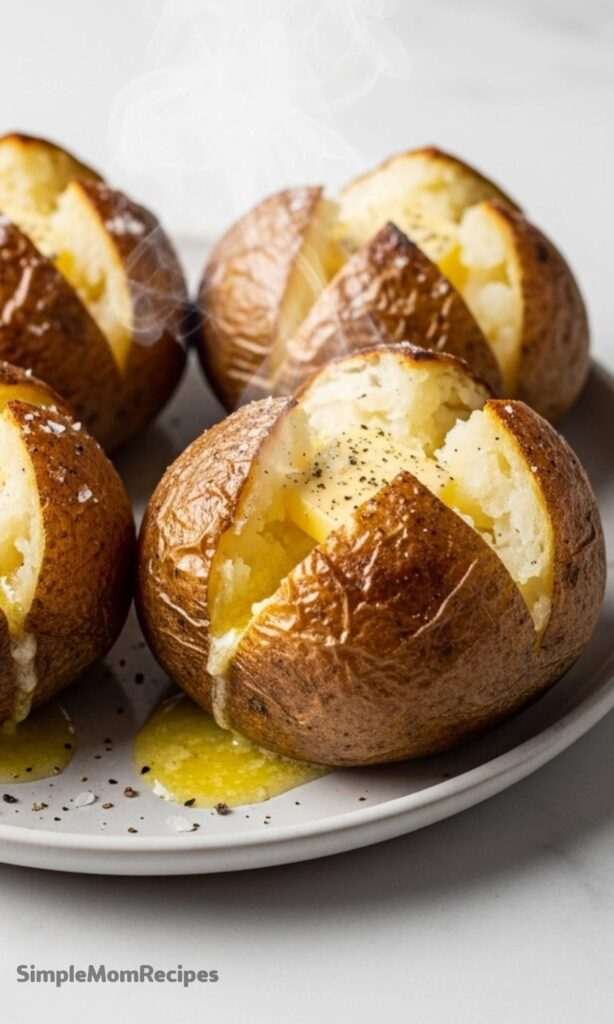
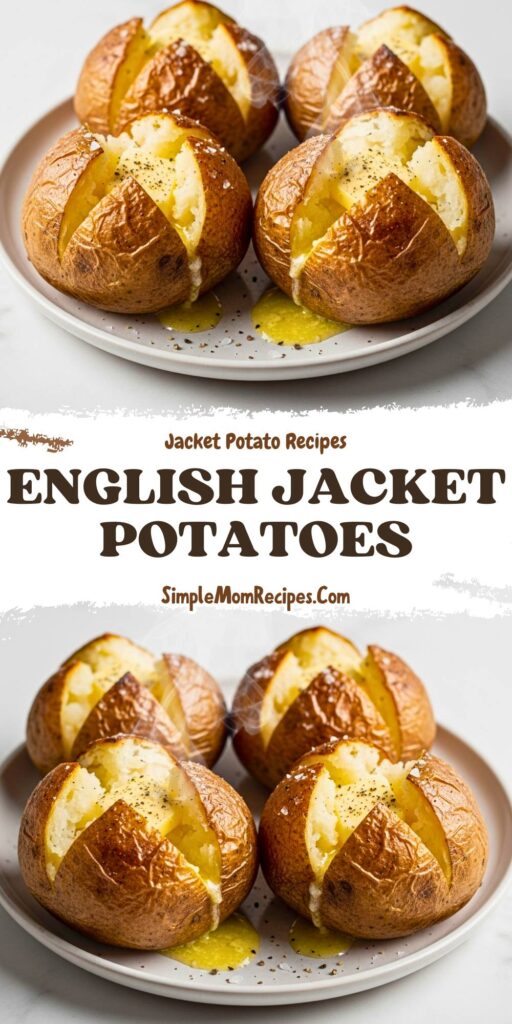
There's a baked potato, and then there's something else entirely. It’s crisp, it’s crackly, it’s impossibly fluffy inside. That’s the magic of the English jacket potato. It’s not just a side dish; it’s the main event, a humble tuber transformed into a simple masterpiece.
I learned this the hard way, after years of lackluster spuds. The difference isn't just a name. It’s a whole philosophy, a couple of small tweaks that change everything from the texture of the skin to the cloud-like interior. Once you try it this way, you’ll never go back.
Why the Jacket Potato Stands Apart
In England, the "jacket" refers to the skin. And that’s the first clue. The skin isn't an afterthought you push to the side of your plate. It’s a prized, edible part of the experience, seasoned and baked until it’s practically a potato chip hugging the filling.
The goal is contrast. A shatteringly crisp exterior giving way to a steamy, delicate interior. It feels like a small miracle that such a simple ingredient can become so spectacular. It’s about patience, and a trust in low, slow heat.
Ingredients Needed for the Recipe
Here’s the beautiful part. The ingredient list is almost laughably short. The magic is in the method.
4 medium russet potatoes (8 to 10 ounces each): Russets are non-negotiable here. Their starchy, floury flesh becomes that iconic fluffy texture we’re after. Their shape is perfect for baking evenly.
Butter, for serving: A generous, melting dollop is the classic finish. It soaks into the hot flesh, adding a rich, creamy note.
Flaky sea salt, for serving: This isn’t just any salt. The delicate flakes add little bursts of salinity and a subtle crunch that elevates the potato from good to exceptional.
Freshly ground black pepper, for serving: The warm, pungent bite of fresh pepper is the perfect final contrast to the butter and the mild potato.
How to make English Jacket Potatoes?
Forget everything you thought you knew about baking a potato. This process is slower, simpler, and yields a completely different result. Just follow these steps.
Step 1: Prep and Score
Heat your oven to 400°F. Take your russet potatoes and give them a good rinse under cool water, scrubbing off any dirt. Dry them thoroughly with a kitchen towel. This helps the skin get crisp.
Now, with a sharp knife, slice a cross shape ("X") into the top of each potato. Cut about 1/4-inch deep. This isn't just to prevent explosions. It’s a steam vent that changes the game.
Step 2: The Long Bake
Place the potatoes directly on the middle oven rack, cut-side-up. Yes, directly on the rack. No baking sheet, no foil. Let the hot air circulate all around them.
Now, walk away. For about two hours. This long, steady bake is the secret. It slowly draws moisture out, making the skin crackle and the interior texture just right.
Step 3: Open and Dry
Carefully use tongs to pull the potatoes out. They’ll be very crisp. Place them on a heat-proof surface. Take your knife and cut deeper into those initial "X" marks.
Then, gently push the two opposite ends of each potato toward the middle. You’ll see it open up beautifully, releasing a puff of steam.
Step 4: The Final Crisp
This is the pro move. Put the opened potatoes back on the oven rack for 10 more minutes. This final blast of dry heat works wonders. It dries out the exposed flesh just enough, making it even fluffier.
Step 5: Serve Immediately
Pull them out one last time. Give them another gentle push to open them fully. Now, act fast. Add a generous pat of butter right into the center, watch it melt and pool.
Finish with a hearty pinch of flaky sea salt and several grinds of black pepper. Serve right away, while the skin is at its peak crispness and the inside is steaming.
Classic & Creative Toppings
While butter, salt, and pepper is the timeless, perfect way to eat a jacket potato, its open, fluffy center is a blank canvas. Here are some wonderful ways to dress it up.
The Classic Ploughman’s: A heap of sharp, grated cheddar cheese, a spoonful of tangy Branston pickle or chutney, and a few crisp leaves of butter lettuce.
Cottage Cheese & Chive: A lighter, protein-packed option. Dollop on creamy cottage cheese and a shower of fresh, snipped chives.
Tuna Mayo Sweetcorn: A British staple. Mix a can of tuna with a little mayonnaise, sweet corn kernels, and black pepper. Spoon it in generously.
Hearty Chili: For a full meal, ladle over your favorite beef or bean chili, and finish with a sprinkle of green onion and a dab of sour cream.
Tips
Size matters. Try to pick potatoes that are all roughly the same medium size so they finish baking at the same time.
Don’t skip the scoring. That initial "X" is crucial for releasing steam and creating the perfect fluffy texture inside.
Resist the foil. Wrapping potatoes in foil steams them, giving you a soft, damp skin. We want dry, circulating heat for crackle.
The two-hour bake isn't a suggestion. It’s the key. The low-and-slow approach makes the skin edible and delicious, not just a wrapper.
Let the butter be cold. A cold pat of butter melting into the hot potato is part of the sensory joy.
Storing and Reimagining Leftovers
If you somehow have leftovers, let the potatoes cool completely, then store them in an airtight container in the fridge for up to 4 days. The skin will soften, but the fluffy interior is still fantastic.
You can reheat them in a 350°F oven to re-crisp the skin a bit. Or, get creative. Scoop out the flesh, mix it with cheese, herbs, and an egg, then pan-fry into crispy potato cakes. Chop the leftover potato, skin and all, and fry it up for a killer home fry or hash.
It all starts with that first bite. The crackle of the skin, the give of the feather-light potato, the melt of salted butter. It’s a lesson in simplicity, a tribute to patience. Once you have a proper jacket potato, you understand. It’s the only way.
The secret to the best ever baked potatoes? Cook them like the British do. Crispy, crackly skin gives way to light, fluffy insides—perfect with just a touch of butter, flaky sea salt, and freshly ground black pepper.
ingredients
4medium russet potatoes (8 to 10 ounces each)
to taste butter (for serving)
to taste flaky sea salt (such as Maldon)
to taste freshly ground black pepper (for serving)
Instructions
1
Arrange a rack in the middle of the oven and heat the oven to 400°F (204°C).
2
Prepare the potatoes: Cut a cross shape about 1/4-inch deep into each potato. Place the potatoes cut-side-up directly onto the oven rack.
3
Bake until very crisp and crackly on the outside, about 2 hours.
4
Carefully remove the potatoes from the oven with tongs and place on a large plate, baking sheet, or heat-proof cutting board. Carefully cut deeper into the initial cross-cut.
5
Gently push the two opposite ends of each potato toward each other to open them, release steam, and expose some of the flesh.
6
Return the potatoes to the oven rack and bake for 10 minutes more.
7
Push the ends together again to fully open the potatoes. Top the flesh with a generous dollop of butter and season with flaky sea salt and freshly ground black pepper.
Nutrition Facts
Servings 4
Amount Per Serving
Calories152kcal
% Daily Value *
Total Fat0.2g1%
Saturated Fat0.1g1%
Sodium9.6mg1%
Potassium750mg22%
Total Carbohydrate34.8g12%
Dietary Fiber2.6g11%
Sugars1.2g
Protein4.1g9%
Calcium 20 mg
Iron 1.2 mg
* Percent Daily Values are based on a 2,000 calorie diet. Your daily value may be higher or lower depending on your calorie needs.
Note
Storage: Leftovers can be refrigerated in an airtight container for up to 4 days.
Serving suggestions: Pair with Beef Wellington, crispy beer-battered fish, mushy peas, or a classic English Sunday roast.
Keywords:
jacket potatoes, baked potatoes, English baked potatoes, crispy potatoes, vegetarian side dish
Kelsey Perez
Food & Lifestyle Blogger
I’m a London-based food writer, recipe developer, and home cook who has been passionate about cooking for over 15 years. What started as a way to recreate my mother’s traditional dishes turned into a lifelong love for experimenting with flavors, writing about food, and helping others feel more confident in the kitchen.