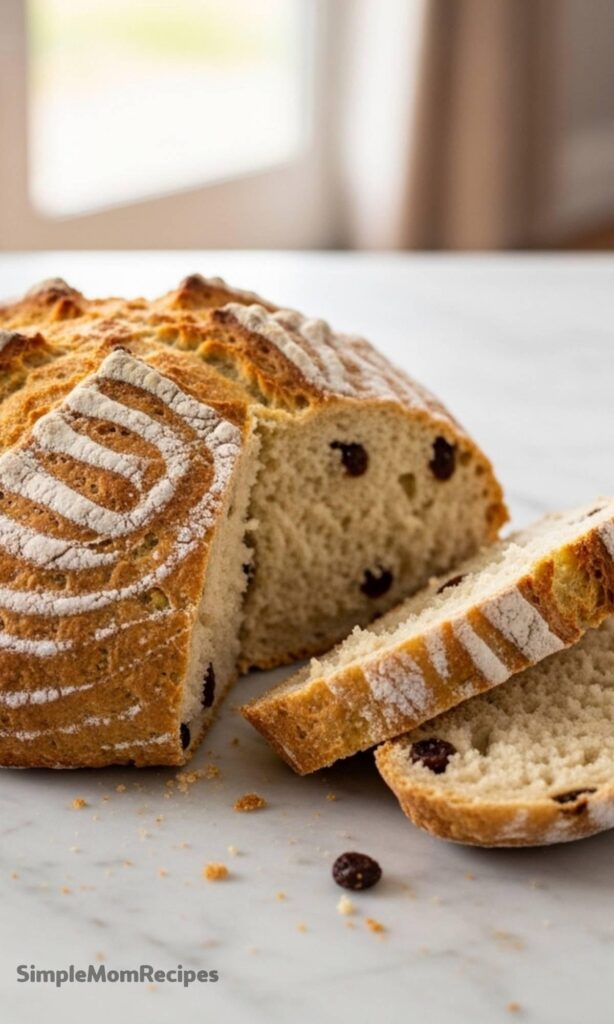
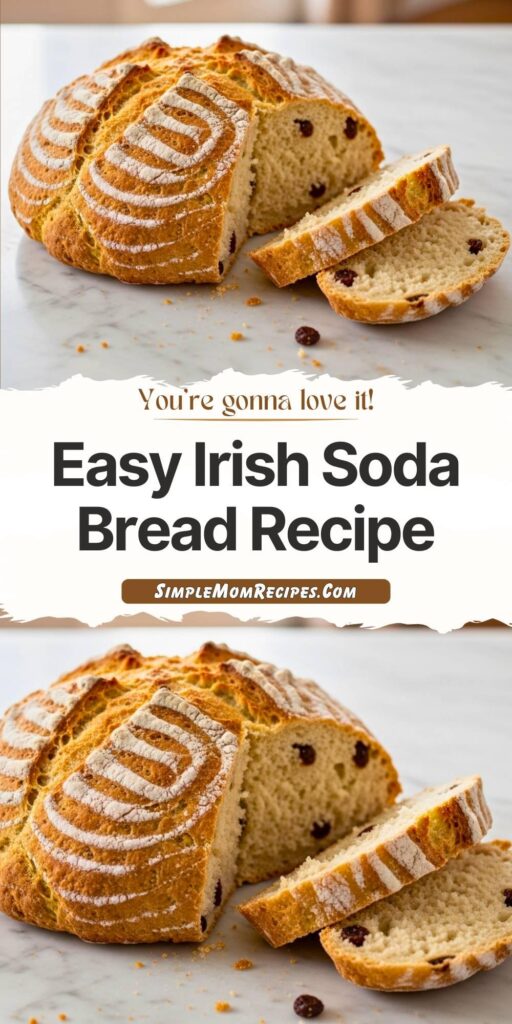
The first time I made it, I expected something soft and fluffy like sandwich bread. That was not what came out of my oven. It was rustic, a little rough around the edges, and had this deep, toasty smell that made my kitchen feel warmer than it actually was.
I tried fancier versions at first. Ones with eggs, butter, extra mixing, extra steps. They looked promising but felt heavy, almost rubbery. Eventually I stripped everything back to the basics, and that’s when it finally clicked. This bread is supposed to be simple. That’s the whole point.
Now I make it when I want bread without the fuss. No yeast. No waiting around. Just a bowl, a spoon, and a hot oven.
Ingredients I Used for the Recipe
4 cups all-purpose flour - This is the structure of the bread. It gives that hearty, sliceable crumb.
1 teaspoon baking soda - The lifter. Since there’s no yeast, this is what makes the bread rise.
1 teaspoon salt - Brings everything to life so it doesn’t taste flat.
1 tablespoon granulated sugar - Just a little, for flavor and to help the crust brown nicely.
2 cups buttermilk - The key ingredient. It adds tang, moisture, and reacts with the baking soda to create lift.
1 cup raisins or currants (optional) - I add these when I want a slightly sweet version. Totally fine to leave them out.
How to make Easy Irish Soda Bread?
Make this recipe yours—just save it to your Pinterest board!"
Step 1 - Heat the Oven First
I preheat the oven to 450°F before I do anything else. This dough comes together fast, and once it’s mixed, it needs to bake right away. No waiting around or the rise won’t work as well.
Step 2 - Mix the Dry Ingredients
I whisk together the flour, baking soda, salt, and sugar in a big bowl. Nothing fancy here. Just make sure everything is evenly combined so you don’t get a bite that tastes like straight baking soda.
Step 3 - Add the Buttermilk
I make a little well in the center and pour in the buttermilk. Then I stir gently. Not aggressively. I sort of fold and nudge the flour into the liquid until it forms a shaggy dough.
This takes maybe 30 seconds. Overmixing is the fastest way to ruin this bread, and I’ve definitely done that before.
Step 4 - Fold in Raisins If Using
If I’m adding raisins or currants, I toss them in now and give the dough a few more turns. Just enough to distribute them. The dough will look messy and a little sticky. That’s exactly right.
Step 5 - Bring the Dough Together
I turn it out onto a lightly floured surface and knead it only three or four times. That’s it. This is not the moment to channel your inner baker. The goal is simply to help it hold together.
I shape it into a round loaf without overthinking it. Rustic is good here.
Step 6 - Score the Cross
I use a serrated knife to cut a deep cross across the top, about an inch down. This helps the bread cook through, but I also love the tradition of it. There’s something grounding about that simple mark.
Step 7 - Bake Immediately
The loaf goes onto a parchment-lined baking sheet and straight into the oven. No resting time. The baking soda is already reacting with the buttermilk, so the sooner it bakes, the better the texture.
Step 8 - Bake Until Deeply Golden
I bake it for 40 to 45 minutes. The crust should look craggy and browned, almost like it split open naturally. When I tap the bottom and hear a hollow sound, it’s done.
I let it cool a bit before slicing, mostly because I’ve burned my fingers too many times being impatient.
What This Bread Is Actually Like
If you’re expecting soft sandwich bread, this is not that. Irish soda bread is dense, but in a good way. It’s tender inside with a sturdy crumb that feels satisfying rather than airy.
The crust is my favorite part. It gets thick and crunchy, almost shattery when you cut into it. That contrast between the crust and the soft interior is what makes each slice interesting.
The flavor has a slight tang from the buttermilk. Not sour, just enough to keep it from tasting plain. When I add raisins, there’s little pockets of sweetness that make it perfect for breakfast.
I eat it warm with butter melting into the cracks. Sometimes with jam. Sometimes next to soup. I’ve even toasted leftover slices the next day and they were just as good, maybe better.
Tips
Don’t Overwork the Dough
This is the hardest habit to break. We’re taught to knead bread, but this one barely needs handling. The less you touch it, the softer it stays.
Measure Flour the Right Way
I spoon flour into the measuring cup and level it off instead of scooping straight from the bag. Scooping packs too much flour in, which can make the loaf dry. Learned that the hard way.
Work Quickly Once the Liquid Is Added
Once buttermilk hits the dry ingredients, the chemical reaction starts. Think of it like a ticking clock. Shape it and bake it without delay.
Expect a Rustic Look
This loaf is not meant to be smooth or perfect. Cracks and uneven edges are part of its charm. Every time I make it, it looks a little different.
If You Want a Softer Crust
I sometimes wrap the warm loaf in a clean kitchen towel while it cools. That traps steam and softens the exterior. Not traditional, but it works when I want something gentler.
You Can Make a Buttermilk Substitute
When I don’t have buttermilk, I add a little vinegar to regular milk and let it sit a few minutes. It’s not exactly the same, but it does the job and still gives the bread that signature tang.
This recipe reminds me that good food doesn’t need to be complicated. Just flour, buttermilk, and a hot oven can make something that feels like it has history behind it. And honestly, that’s the kind of baking I come back to again and again.
This Easy Irish Soda Bread recipe makes a hearty round loaf with a crunchy crust and soft interior using just five simple ingredients. A cherished staple of Irish cuisine born from necessity, this traditional quick bread delivers authentic flavor and tender texture without yeast, eggs, or butter. Perfect alongside soup, stew, corned beef and cabbage, or simply slathered with Irish butter and jam.
ingredients
4cups all-purpose flour (spoon and sweep method for measuring)
1teaspoon baking soda
1teaspoon salt
1tablespoon granulated sugar (helps browning and activates baking soda)
2cups buttermilk (room temperature preferred)
1cup raisins or currants (optional, traditional modern addition)
Instructions
1
Preheat oven to 450°F (230°C). Line a large baking sheet with parchment paper and set aside.
2
Sift together flour, baking soda, salt, and sugar into a large mixing bowl. Whisk until well combined.
3
Make a well in the center of the dry ingredients and pour in the buttermilk. Mix with a rubber spatula for about 30 seconds until a shaggy dough forms. Do not overmix.
Overmixing can make the interior rubbery
4
If using, add raisins or currants and mix in quickly, about 10 seconds more.
5
Turn dough onto a lightly floured surface. Knead briefly, about 3-4 turns, just until dough sticks together. Form into a ball and transfer to the prepared baking sheet.
6
Score a cross about 1 inch deep in the top of the loaf using a serrated knife or sharp chef's knife. Immediately transfer to the preheated oven.
The cross helps the bread rise evenly and is a traditional blessing
7
Bake for 40-45 minutes until the crust is craggy, well-browned, and split at the cross. The loaf should sound hollow when tapped on the bottom with your knuckles.
8
Let bread cool slightly before slicing. Serve warm using a serrated knife with sawing motions to avoid flattening the crumb. Alternatively, cool completely before slicing. Store airtight.
Nutrition Facts
Servings 10
Amount Per Serving
Calories195kcal
% Daily Value *
Total Fat1.2gg2%
Saturated Fat0.4gg2%
Trans Fat0gg
Cholesterol3mgmg1%
Sodium340mgmg15%
Potassium145mgmg5%
Total Carbohydrate42gg15%
Dietary Fiber1.5gg6%
Sugars10gg
Protein5.5gg11%
Calcium 95mg mg
Iron 2.1mg mg
* Percent Daily Values are based on a 2,000 calorie diet. Your daily value may be higher or lower depending on your calorie needs.
Note
Spoon and Sweep Method: Spoon flour into measuring cup until it overflows, then sweep flat with a knife. Do not scoop directly from the bag to avoid packing flour and creating a dry loaf.
Avoid Overworking: Mix dry and wet ingredients just until moistened (under 1 minute). Over-kneading develops gluten and creates a rubbery texture.
Buttermilk Substitute: Add 2 tablespoons white or cider vinegar to a 2-cup measure, fill to the mark with whole milk, stir and let sit 5 minutes. Works in a pinch!
Softer Crust Option: Place warm loaf in a bowl, cover with a tea towel. Once completely cool, the crust will be softened and easier to slice.
Serving Ideas: Pair with soup or stew, build an Irish cheese board, enjoy with corned beef and cabbage, or savor at tea time with butter and jam.
Keywords:
irish soda bread, easy bread recipe, traditional irish bread, buttermilk bread, quick bread, st patricks day recipe
Kelsey Perez
Food & Lifestyle Blogger
I’m a London-based food writer, recipe developer, and home cook who has been passionate about cooking for over 15 years. What started as a way to recreate my mother’s traditional dishes turned into a lifelong love for experimenting with flavors, writing about food, and helping others feel more confident in the kitchen.